Refreshing Your Patio Cover or Pergola: Mid-Season Updates That Make a Big Impact

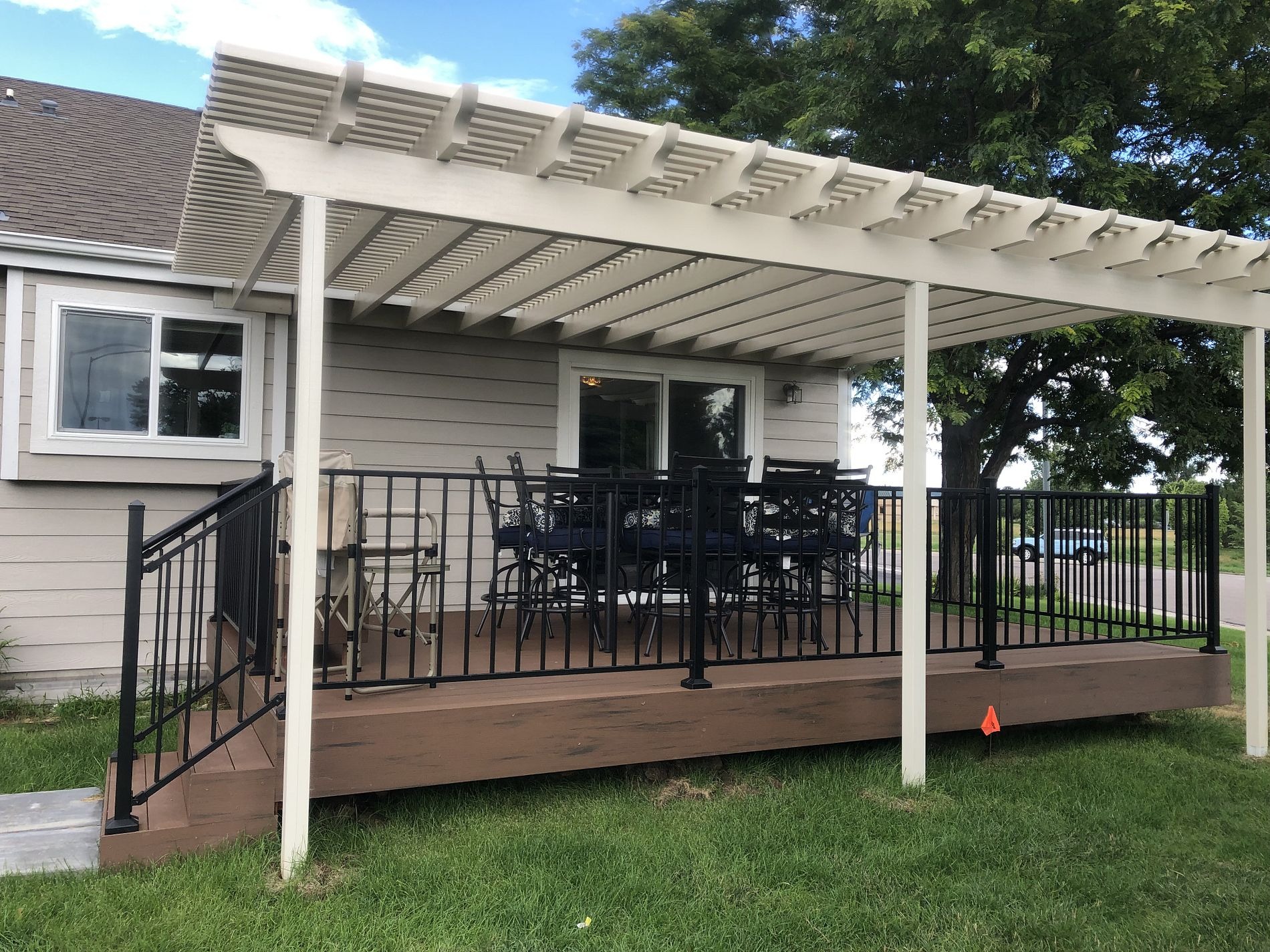
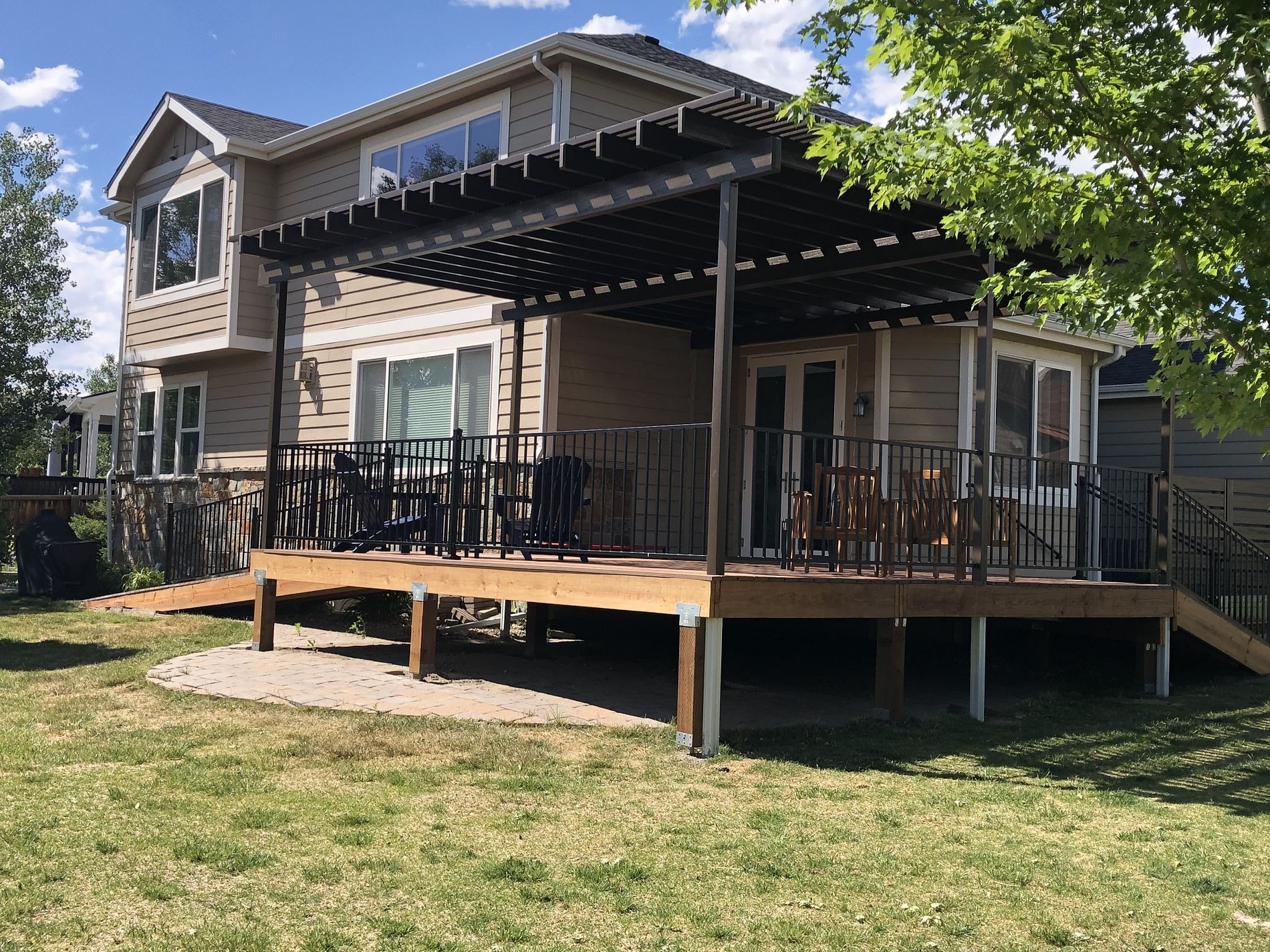
As the heart of summer arrives and transitions into early fall, your patio cover or pergola becomes even more vital for outdoor enjoyment and entertainment. Whether you use your outdoor living space for relaxing, grilling, or gathering with friends, taking some time mid-season to update and refresh your patio cover can enhance comfort, usability, and curb appeal, all while adapting to the ever-changing weather. From adding retractable shades to upgrading lighting, thoughtful mid-season improvements allow you to extend your use of the outdoors well into those cooler evenings and unpredictable Northern Colorado afternoons.
Mid-Season Enhancement: Why Now is the Perfect Time

The middle of the outdoor season is an ideal checkpoint for assessing what your patio cover or pergola needs. In Northern Colorado, fluctuating temperatures and increased sun exposure can quickly reveal the need for upgrades or repairs you may not have considered in early spring. By addressing these now, you ensure maximum comfort and durability for the rest of the season and years to come.

Retractable Shades: Sun Protection Made Easy

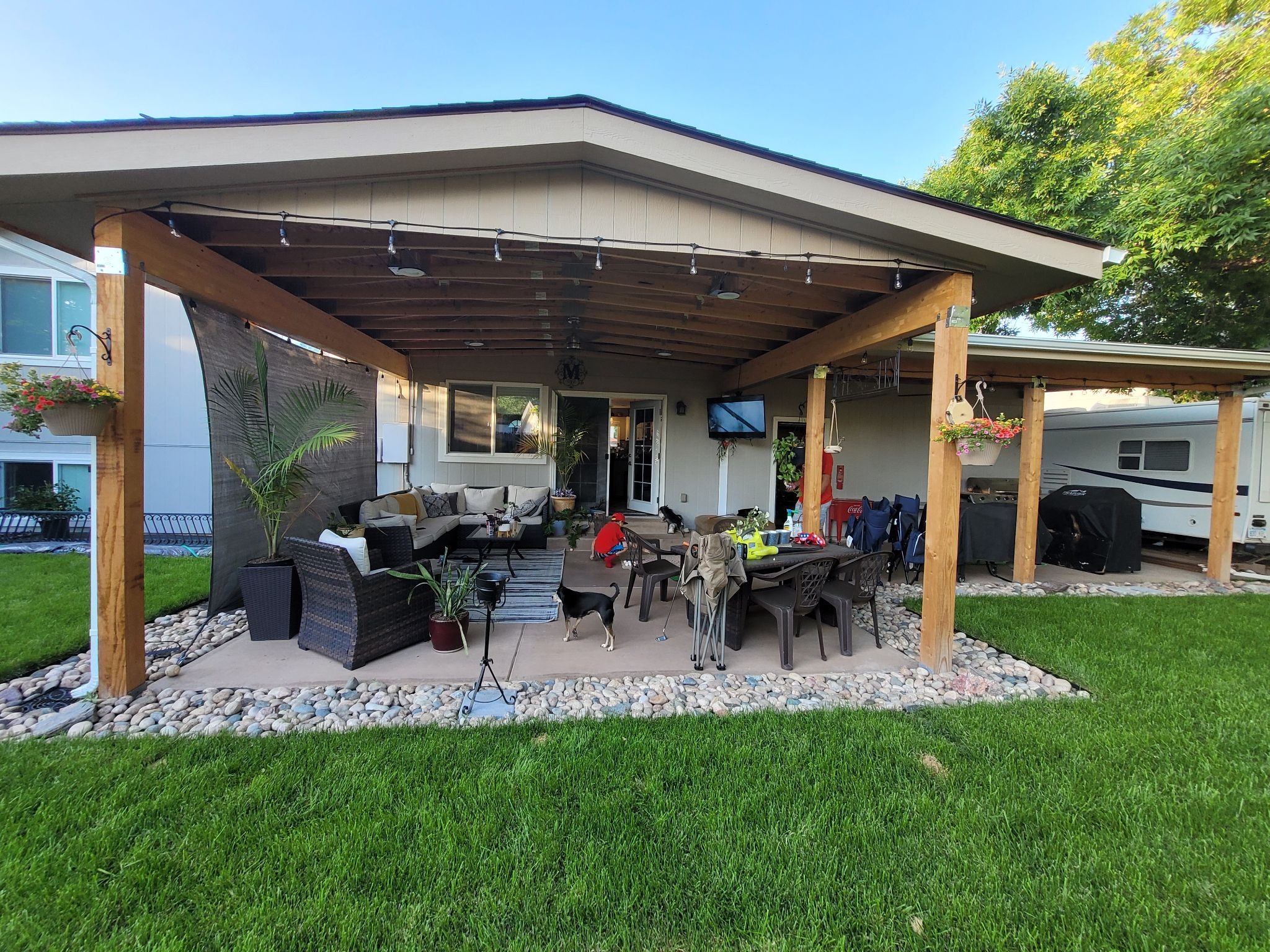
If your patio cover or pergola lacks adequate shade, consider installing retractable shades or outdoor curtains. These features not only block harmful UV rays during peak sun hours but also add privacy and flexibility. Retractable shades are especially valuable in Loveland’s varied climate, where a sunny morning can quickly turn into a scorching afternoon. Many local homeowners have found that mesh or fabric shades tailored for outdoor spaces blend seamlessly with existing structures, allowing you to adjust light levels and airflow with ease.

Adding Comfort with Fans and Outdoor Heaters

Weather in Loveland often means chilly nights after hot days. Incorporating outdoor ceiling fans or portable heaters can bridge the gap, making your outdoor space welcoming no matter the forecast. Fans facilitate airflow on humid days and help deter unwanted pests, while energy-efficient heaters have become increasingly popular as a way to keep patio gatherings going long into the fall. Opt for models designed for outdoor use; professional installation ensures safety and longevity.

Lighting Upgrades for All-Season Ambiance

Refreshing your patio cover with new lighting can instantly elevate both function and ambiance. Consider options such as:

  • String lights for a warm, inviting glow

  • Integrated LED strip lighting for modern, low-maintenance accent

  • Motion-sensor lighting for pathways and steps to boost safety

These upgrades extend entertaining hours and give you flexibility to highlight your outdoor carpentry and landscaping after sunset. Many homeowners in Loveland prefer subtle, energy-efficient options that complement the natural surroundings and architecture of their homes.

Repair and Maintenance: Small Fixes, Big Results

The mid-point of the season is a smart time to inspect your pergola or patio cover for wear, especially if it is constructed with natural wood or composite decking. Look for signs such as fading, chipping, or minor water damage. Promptly tending to minor repairs such as tightening hardware, reapplying stain, or replacing weathered sections helps maintain both the value and beauty of your outdoor structure. If you have had a deck or patio cover installation recently, ask your installer about recommended periodic maintenance to keep your investment protected.

Upgrade Your Patio Cover or Pergola with TNT Home Improvements

Ready to transform your outdoor living space in Loveland, CO? TNT Home Improvements specializes in everything from custom patio covers to complete exterior remodeling solutions, tailored for Colorado’s unique climate and your lifestyle. Our team can help you add mid-season features like shades, fans, heaters, and lighting, ensuring your backyard remains beautiful and functional year-round. Call us today at (970) 663-2868 or conveniently request your free estimate by filling out our online form.

How Big Should Your Deck Be?

When designing a new deck, one of the most crucial decisions is determining the ideal size. Whether you’re focused on outdoor dining, entertaining, or relaxing with the beautiful Colorado scenery as your backdrop, deck sizing affects functionality, comfort, and long-term value. In this article, you’ll find the most important considerations specific to Northern Colorado’s homes, covering local design norms, climate factors, and practical needs. This guidance will help you make informed decisions and achieve a deck that suits both your home and your lifestyle.

Assessing Your Outdoor Lifestyle Needs

Begin by thinking about how you plan to use your deck. Are you envisioning intimate family dinners, larger gatherings, or a quiet retreat to enjoy Loveland’s seasonal changes? These considerations drive the space requirements:

  • For small gatherings or a bistro set, a 6’x8′ platform may be sufficient.

  • If you plan to host family barbecues or larger groups, a 12’x16′ or even 16’x20′ deck offers the flexibility for both seating and movement.

  • Consider furniture footprints, walkways, and the potential addition of amenities like a fire pit or hot tub.

Deck space should always complement your indoor-outdoor flow, allowing for smooth transitions and minimal crowding.

Blending Deck Size With Your Home’s Architecture

A deck that is too large can overwhelm the property, while one that is too small may look out of scale and limit usability. As a general guideline, a deck should not exceed the width of your house. Here are a few localized pointers:

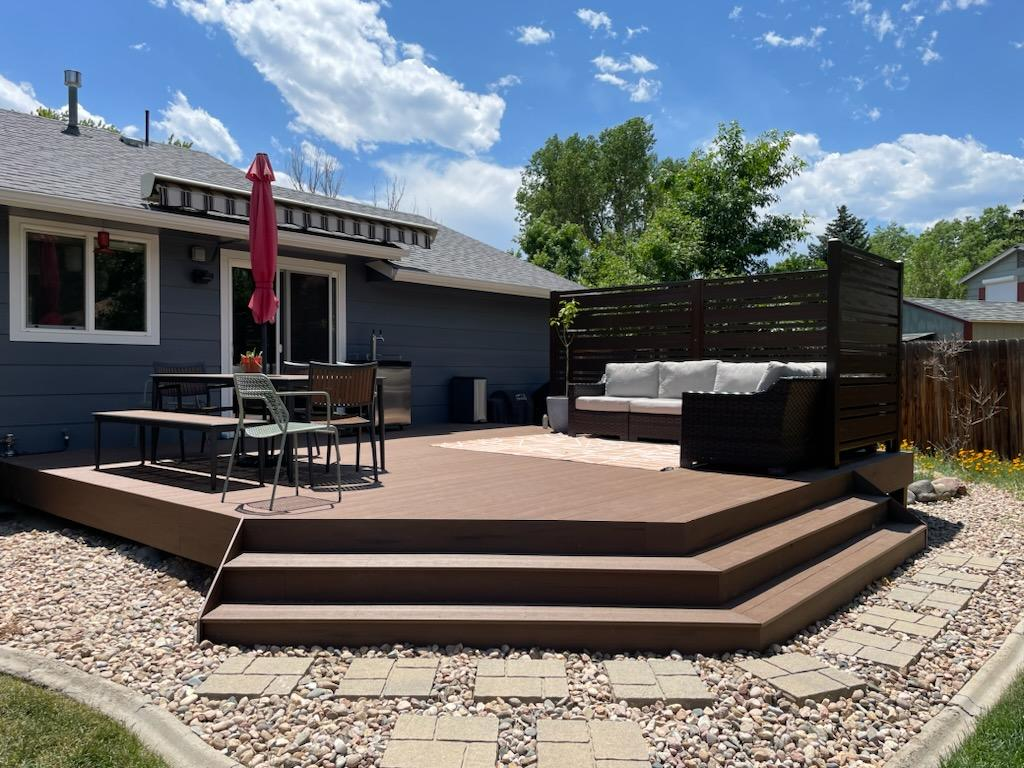
  • In Loveland and surrounding Colorado towns, many homes have sweeping views. A deck that is 12 to 16 feet deep maintains unobstructed vistas, without encroaching too far into the yard.

  • Raised decks on two-story homes often look and function best at a 14′-16′ depth, balancing structural support with visual appeal.

Careful attention to proportion also protects home value and ensures compliance with local building codes and HOA requirements.

Local Climate, Seasonality, and Material Choices

Northern Colorado’s four-season climate influences both the usability and the maintenance of your deck. Adequate size makes it possible to accommodate outdoor living almost year-round. For example:

  • Allow for shaded seating and grilling zones if your deck receives full sun.

  • Consider covered or partially covered spaces to shelter from sudden summer storms or winter snowfall.

  • Opt for durable materials and professional deck building for a deck that endures Colorado’s sun, wind, and moisture cycles.

TNT Home Improvements has observed that many Loveland homeowners prefer composite decking materials, which require less maintenance and accommodate expansion and contraction due to temperature swings.

Working Within Property Lines and Legal Restrictions

It’s essential to check local zoning setbacks, easements, and permitted structures before finalizing deck dimensions. For homes in Loveland and greater Larimer County, setback requirements can affect how far your deck may project from the home and its elevation off the ground. Experienced general contractors can navigate local ordinances, ensure proper permitting, and guide layout decisions based on these restrictions. This expertise streamlines the process and prevents costly redesigns or construction delays.

Considering Your Budget and Deck Investment

Since deck size directly impacts both construction cost and ongoing maintenance, balance ambition with budget:

  • A custom, multi-level deck may maximize space but also increase investment.

  • Simpler rectangular or square layouts are generally more budget-friendly while still delivering effective outdoor living.

  • Don’t underestimate the impact of labor, materials, and special features on your overall investment.

Consulting with professional deck services ensures that design ambitions and financial realities stay aligned, protecting your home’s overall value.

Contact TNT Home Improvements for Your Loveland, CO Deck Project

Deciding how big your deck should be is about more than aesthetics, it’s about enhancing your home’s livability for every season in Loveland, CO. If you’re ready to begin planning, reach out to TNT Home Improvements. The team can guide you through custom sizing, material choices, and compliance with local codes to create a deck that perfectly fits your property and lifestyle. Call 970-663-2868 or fill out our online form to start a conversation about your next deck project today.

How Window Replacement Affects Indoor Comfort During Peak Summer

When summertime temperatures climb in northern Colorado, homes can become uncomfortably warm, especially if windows are outdated or inefficient. Proper window replacement plays a vital role in maintaining a cool, comfortable interior during peak summer. Well-chosen and expertly installed windows provide insulation, reduce interior noise, and can significantly impact the efficiency of your home’s HVAC system.

Understanding the Role of Insulation in Summer Comfort

Effective insulation is key to managing indoor temperature year-round, but it’s particularly essential during the hot Colorado summer months. Modern windows with high-quality frames and energy-efficient, double or triple-pane glass are designed to minimize heat transfer. These advanced materials create a thermal barrier, which prevents the intense outdoor heat from penetrating your living space. As a result, your home remains cooler even when outside temperatures soar, reducing the need for constant air conditioning.

Older single-pane windows or those with deteriorated seals often allow unwanted heat into your home. With professional window replacement, you gain access to products specifically engineered for enhanced insulation performance. This upgrade can have an immediate impact, helping you enjoy a more stable and comfortable indoor environment throughout the hottest days.

Noise Reduction: An Overlooked Benefit

Summer in this region not only brings higher temperatures but also increased outdoor activity and noise. Whether it’s lawnmowers, construction, or energetic neighborhood gatherings, sound can easily filter indoors through older windows. Replacing aging windows with modern, insulated options means added soundproofing. Multi-pane windows with insulated frames create a buffer, muting external noise and ensuring that your home stays a peaceful retreat, regardless of what’s going on outside.

HVAC Efficiency and Lower Energy Bills

The relationship between window quality and HVAC system efficiency becomes especially apparent in summer. Air conditioners must work overtime to compensate for heat infiltrating through drafty windows, which increases energy consumption and utility costs. With expertly installed window replacement, your HVAC system no longer has to battle constant heat gain from inefficient openings.

Upgrading to energy-efficient windows with Low-E coatings and insulated frames limits energy loss, maintaining cooler temperatures with less effort from your air conditioner. This not only extends the lifespan of your HVAC equipment but also results in more predictable, manageable energy bills throughout the summer.

Choosing the Right Windows for Colorado Summers

Selecting windows that are properly rated for the local climate is crucial. In northern Colorado, the combination of high-altitude sun and variable temperatures requires solutions tailored for durability and efficiency. When planning a window installation project, look for windows with:

  • Low solar heat gain coefficients (SHGC)

  • Double or triple glazing

  • Quality weather-stripping

  • UV protective coatings

Partnering with experienced professionals ensures that your window investment delivers the insulation, comfort, and energy savings you expect, even as summers become more unpredictable.

Stay Cool and Comfortable: Contact TNT Home Improvements Today

If you’re ready to experience a cooler, quieter home this summer, TNT Home Improvements in Loveland, CO can help you select and install the perfect windows for maximum comfort and efficiency. Our qualified team understands the unique challenges of the local climate and provides unmatched craftsmanship on every window replacement project. Call us at (970) 663-2868 or fill out our online form to schedule your free consultation.

Summer Deck Care: Protecting Your Investment During Hot Months

Summer in northern Colorado brings not only beautiful long evenings and BBQs on the deck, but also unique challenges for maintaining your outdoor living space. For homeowners in and around Loveland, mid-season deck care is essential for both safety and the longevity of your investment. As temperatures rise and UV rays intensify, your deck needs some attention to withstand the harsh effects of the season. Here’s a localized guide to keeping your deck in its best shape during the hot months, ensuring your space remains safe, beautiful, and ready for entertaining.

Protecting Your Deck from Intense UV Exposure

The summer sun can be relentless in Colorado, regularly pushing UV indexes to “high” or “very high” by midday. Prolonged UV exposure is one of the leading culprits behind faded, splintered, and weakened deck surfaces. To minimize damage, consider the following practical steps:

  • Apply a high-quality, UV-resistant sealant every one to two years, focusing on horizontal deck surfaces that receive the most sun exposure.

  • Choose stains or finishes specifically designed for the Colorado climate, as these add an extra layer of protection against the region’s intense sun.

  • Consider installing umbrellas, pergolas, or shade sails to physically block some of the sunlight, especially for decks that face south or west.

Reputable local companies like TNT Home Improvements can advise on current best products, as well as provide professional application for a seamless, even finish.

Routine Cleaning: The Foundation of Deck Care

Summer is prime time for outdoor gatherings, which means drinks are spilled, food is dropped, and grime from sandals or bare feet can quickly accumulate. Routine cleaning not only keeps your deck looking its best, but also prevents surface wear and mildew growth that shortens its life.

  • Sweep away debris and dust at least once a week.

  • Use a gentle, deck-safe cleaner and a soft brush for washing; avoid harsh pressure washing, as it can gouge softer wood.

  • Make it a point to wash away any bird droppings, leaves, or pollen, as these can lead to staining or surface deterioration, especially after thunderstorms.

For decks installed by professionals such as deck building, you can also request routine maintenance packages to ensure deep cleaning is handled without compromising your investment.

Inspecting Fasteners, Railings, and Connections

With significant temperature swings in Colorado, sometimes 40 degrees or more within a day, deck fasteners and railings can expand, contract, and loosen over time. This can result in unsafe conditions just when your deck sees the most use. Mid-summer is the ideal time for a thorough inspection.

  • Check all visible screws, nails, and bolts for corrosion or movement.

  • Test railings and steps for rigidity; tighten any loose posts or replace compromised hardware as needed.

  • For composite decks, carefully inspect the fastening systems specific to these materials, as they’re engineered differently than traditional wood decks.

If you spot structural concerns, companies that offer deck repair can quickly assess and resolve safety issues before your next get-together.

Don’t Overlook Seasonal Small Repairs

Minor issues that emerge in June or July such as hairline cracks, warped planks, or peeling stain often escalate if ignored. Addressing these “small” repairs early is cost-effective and keeps your deck attractive all summer long.

  • Repair or replace split or damaged boards when they first appear.

  • Touch up any flaking finish with compatible stain or sealant to prevent water infiltration.

  • Schedule an annual inspection with skilled local contractors for peace of mind, ensuring your deck is ready for peak season.

Customers having their decks installed by professionals who also offer patio cover installation may benefit from additional protection, reducing sun and water exposure to further minimize seasonal wear.

Contact TNT Home Improvements for Professional Deck Maintenance in Loveland, CO

Taking great care of your deck during the summer months is key to keeping your outdoor space safe, comfortable, and attractive for years to come. If you are in Loveland, CO, and want to safeguard your investment, let TNT Home Improvements handle your summer maintenance needs. Reach out today by calling (970) 663-2868 or filling out our convenient online form to schedule an inspection, cleaning, or maintenance service. Trust in a local team who understands northern Colorado’s climate and delivers tailored solutions to keep your deck at its best.

Comparing Composite vs. Traditional Wood Decking in Colorado’s Climate

In Colorado, high-altitude living brings incredible vistas but also unique challenges for outdoor living spaces, particularly decks. Homeowners choosing between composite and traditional wood decking need to consider not only material choices but also performance under Northern Colorado’s intense sunshine, wide temperature swings, snowfall, and persistent moisture. Here’s how both decking options fare in real local conditions so you can invest in a deck that stands the test of time.

Durability in Extreme Sunshine

Colorado’s more than 300 days of sun each year can be both a blessing and a challenge. Composite deck boards, often made from recycled plastics and wood fibers, are highly resistant to fading and don’t splinter under UV exposure. Traditional wood decks, such as those made from cedar or redwood, will naturally weather more quickly in the sun and often require additional treatments to prevent cracking, discoloration, and splitting.

UV stabilization additives in high-quality composite materials significantly cut down on fading, even in the direct Loveland summer sun. In contrast, wood decking that isn’t stained or sealed annually can become brittle and lose its rich color tones within just a few seasons.

Temperature Swings: Expansion and Contraction

Northern Colorado regularly sees 40°F temperature swings in a single day. Composite decking handles these shifts well, as most products are engineered to flex without warping. However, without proper installation space, some boards can expand or contract at a slightly different rate, which may cause minor gapping if not installed correctly.

Traditional wood is more vulnerable in this regard. Dry air causes shrinkage, while moisture from summer storms and snowmelt leads to swelling and even cupping. Seasoned wood can help, but consistent care and seasonal inspections are essential for lasting performance.

Performance Under Snowfall and Moisture

Decking in Colorado must stand up to spring storms, heavy snow accumulations, and cycles of freeze and thaw. Composite decking’s resistance to moisture absorption makes it less prone to mold, mildew, and rot when compared to natural wood. Snow and ice tend to slide off composites more easily, but sand or non-metal shovels are still recommended to avoid surface scratches.

Wood decks often absorb water, which increases the risk of warping, rot, and surface decay over time, particularly if snow piles remain on the surface through repeated melts. Regular sealing helps protect wood decks from the harshest conditions, but over years, even well-maintained wood boards will typically need replacement boards or comprehensive refinishing.

Longevity and Maintenance Requirements

When it comes to longevity, composite decks generally have the upper hand. On average, composites can last 25-30 years with minimal maintenance, requiring only occasional cleaning with water and mild detergent. Traditional wood decks may offer a classic aesthetic, but their lifespan is typically shorter, 10-15 years, even with well-timed staining and frequent repairs.

It’s worth noting that stains and finishes on wood decks, while enhancing the look, must be reapplied regularly to guard against the unique weather patterns of Colorado. Over time, maintenance costs can add up, making composite a more cost-effective investment for many homeowners.

Design Versatility and Resale Appeal

Both options offer attractive style choices, but composite decking comes in a wider array of factory-finished colors and grain patterns that don’t fade or flake away. This durability and low maintenance boost curb appeal and add resale value, which is often cited by homeowners working with deck builder services and outdoor living contractors to update their properties.

Traditional wood, however, allows for custom on-site staining and a naturally warm look that resonates with many Colorado residents. It does, however, require more upkeep to keep its appearance fresh, especially in areas exposed to weather and high foot traffic.

Ready to Build or Upgrade Your Deck?

Contact TNT Home Improvements for Expert Deck Solutions

If you’re weighing composite versus wood decking for your Loveland, CO home, trust the local experts who understand the specific challenges of Colorado’s climate. TNT Home Improvements offers personalized consultations, deck construction, and outdoor living design tailored to regional conditions. Contact the team at (970) 663-2868 or fill out our online form today to schedule your appointment and start creating your ideal outdoor living space.

What to Expect When Building a Deck

Building a deck is one of the most rewarding ways to add both beauty and functionality to your outdoor living space. If you are considering a new deck addition this season, it’s useful to understand what the process entails, what choices you’ll need to make, and how to prepare for a smooth experience from design through to enjoying your new space.

Understanding the Planning and Design Phase

Every successful deck build starts with thoughtful planning and design. Expect to work closely with a contractor who will guide you through options such as the size and shape of the deck, preferred materials like pressure-treated wood, composite, or natural hardwoods, and features such as railings, stairs, built-in seating, or even a pergola. In Loveland and across Northern Colorado, designs often take into account scenic views and weather patterns such as deck orientation and material choice should factor in Colorado’s sun exposure and seasonal snow.

During this time, your contractor may suggest a site visit. This is a key step as it allows detailed measurements and assessment of your yard’s slope, soil, drainage, and proximity to existing structures. It is also the phase where you discuss your budget, timeline, and any custom features you want.

Permitting and Approvals

Building a deck in the Loveland area typically requires permits. Your contractor will handle the submission of plans to the local authorities, ensuring the design meets building codes and zoning requirements. This is particularly important to ensure your build is both legal and safe. Inspections might be required at different stages, so your timeline should accommodate these steps.

Selecting the Right Materials

The choice of decking material has a big impact on your deck’s longevity and maintenance needs. Common options include:

  • Pressure-treated wood for affordability and durability

  • Composite decking for low maintenance

  • Natural hardwoods for premium appearance and durability

Colorado’s freeze-thaw cycles and sun intensity mean you should select materials proven to withstand such conditions. Reliable contractors, like TNT Home Improvements, often recommend deck building services that incorporate tried-and-tested products for the local climate.

Construction Process and Timeline

Once permits are secured and materials arrive, the construction phase can begin. Here’s what you should expect:

  • Demolition and site preparation, which may include removing existing structures or rough grading the area

  • Setting foundations using piers or footings designed for local frost depth

  • Installing framing, decking boards, and railings in sequence

  • Final touches such as stairs, skirting, and optional features like lighting or privacy screens

Weather plays a role in scheduling with late spring to early fall being ideal for deck construction in Loveland, minimizing delays. On average, a custom deck build may take anywhere from one to three weeks, depending on complexity, site conditions, and weather.

Inspection, Cleanup, and Maintaining Your Deck

Before your deck is ready for use, it must pass a final inspection from local authorities. Once approved, contractors like TNT Home Improvements carefully remove debris and return your yard to its pre-project state as much as possible.

To maintain your investment, routine cleaning and periodic inspection for loose fasteners, worn boards, or finish wear is advised, particularly after harsh winters or storms. Many homeowners opt for deck repair or maintenance packages to keep their outdoor space looking great year-round.

Get Your Custom Deck Project Started with TNT Home Improvements

If you are ready to transform your yard in Loveland, CO, into a beautiful and functional outdoor living area, TNT Home Improvements offers expert consultation, design, construction, and deck installation services tailored to Northern Colorado’s climate and your unique needs. Call TNT Home Improvements at (970) 663-2868 or fill out our online form to schedule your personalized estimate and take the first step toward your new deck.

Should You Build an Outdoor Kitchen?

An outdoor kitchen can be a transformative addition to your home, offering a dedicated space for entertaining and enhancing the overall value of your property. Deciding whether to invest in an outdoor kitchen involves considering your lifestyle, property layout, and local climate conditions. This article explores the primary reasons to consider building an outdoor kitchen, examines potential drawbacks, and identifies key features that homeowners in Colorado should keep in mind.

Key Benefits of Adding an Outdoor Kitchen

Building an outdoor kitchen can deliver several notable advantages for homeowners, especially those who enjoy hosting gatherings or maximizing outdoor space. Some of the primary benefits include:

  • Enhanced entertainment opportunities for family and friends during gatherings

    Increased property value, as outdoor living spaces are highly desirable in today’s real estate market.

  • Expanded living space, which can make your yard feel like an extension of your home.

  • Improved convenience for backyard cookouts and summer meals, reducing the need to shuttle between your indoor kitchen and patio.

  • Customization options, such as integrated grills, bar seating, sinks, refrigerators, and storage for a fully functional food prep zone.

Potential Drawbacks to Consider

While the appeal of an outdoor kitchen is strong, it is important to weigh potential downsides before starting this project:

  • Initial installation costs can be significant, particularly when investing in high-end appliances or custom designs.

  • Long-term maintenance is necessary to keep your outdoor kitchen in prime condition, as appliances and surfaces are exposed to the elements.

  • Seasonal limitations in Colorado mean that some outdoor kitchens may see less use during colder, snowy months.

  • Utility connections, such as gas, water, and electricity, may require professional installation and permitting.

Essential Features for Colorado Outdoor Kitchens

Outdoor kitchens in Northern Colorado should be thoughtfully designed to accommodate the region’s distinct weather and lifestyle. Consider including the following features:

  • Durable, weather-resistant materials like stone, stainless steel, and sealed pavers to withstand temperature fluctuations.

  • High-quality grills or smokers with protective covers.

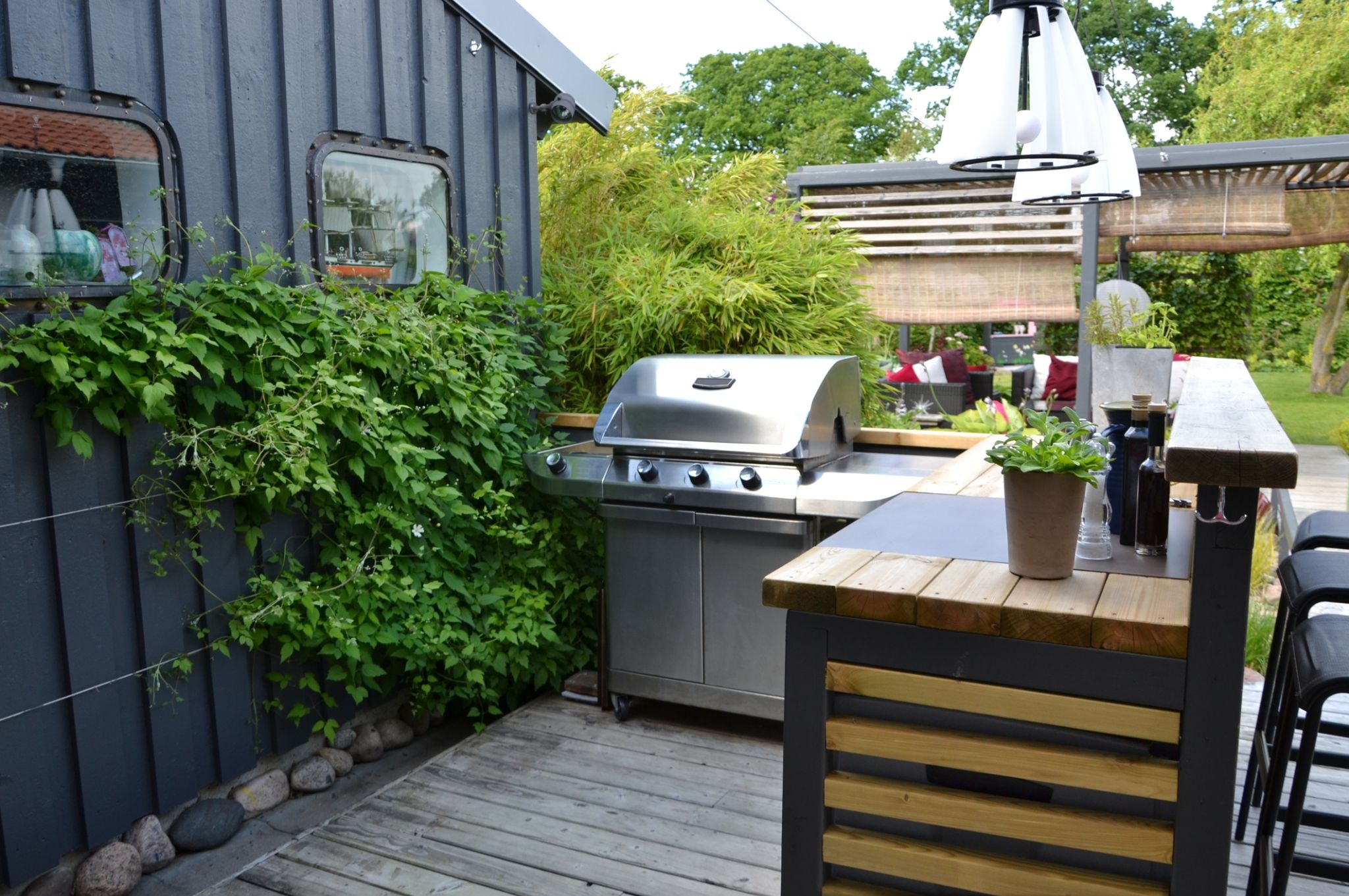
  • Overhead pergolas, retractable awnings, or pavilion roofs to provide shade in summer and shelter in unpredictable weather.

  • Integrated storage and deck building elements to maximize function and comfort.

Planning Your Outdoor Kitchen Project

Preparation is key to a successful outdoor kitchen installation. When planning, be sure to:

  • Set a clear project budget and timeline.

  • Select a location near your indoor kitchen or entertaining area, considering optimal access and utility hookups.

  • Work with experienced professionals who offer comprehensive outdoor living spaces solutions, including consulting on layout, materials, and appliance options.

  • Think about future upgrades or outdoor features, such as connecting your kitchen to a patio cover or dedicated dining area.

Ready to Build Your Dream Outdoor Kitchen in Loveland, CO?

If you are considering adding an outdoor kitchen to your home in Loveland, CO, let TNT Home Improvements help turn your vision into reality. Our team specializes in designing and installing exceptional outdoor living spaces tailored to Northern Colorado’s unique environment. For a free consultation, call us today at (970) 663-2868 or fill out our convenient online form to get started on your outdoor kitchen project.

5 Sturdy Materials Suitable for Building Decks

Building the perfect deck for your home involves selecting materials that balance aesthetics, durability, and maintenance. With advancements in construction options and growing interest in outdoor living spaces, homeowners now have several reliable materials to create their ideal deck. In this post, we explore five sturdy materials suitable for deck building, highlighting their benefits and considerations to help you make an informed choice.

1. Composite Decking

Composite decking has become increasingly popular due to its durability and low-maintenance nature. Made from a mix of wood fibers and recycled plastics, it is an eco-friendly option that withstands weather, pests, and moisture. Composite decking is available in a wide range of colors and textures, allowing you to match your outdoor décor while enjoying a long-lasting, sustainable deck.

2. Natural Wood

For a timeless, classic look, natural wood options such as Ipe, Teak, Cedar, and Redwood offer warmth and beauty. Cedar and Redwood are naturally resistant to decay and pests, providing durable choices for outdoor spaces. However, wood decks require regular maintenance, including staining and sealing, to preserve their appearance and longevity.

3. Aluminum Decking

Aluminum decking is a less traditional, yet extremely sturdy option. Resistant to rust, decay, and insect damage, aluminum is also lightweight and remains cool underfoot. Many aluminum decks feature slip-resistant surfaces, making them a safe and durable choice for families and outdoor entertaining.

4. PVC Decking

PVC, or polyvinyl chloride, decking is a 100% synthetic material known for its high durability and low maintenance. Resistant to moisture, insects, and fading, PVC decking offers a practical, eco-friendly solution for homeowners seeking long-lasting performance with minimal upkeep.

5. Pressure-Treated Wood

Pressure-treated wood is an affordable and widely used option for deck construction. Chemically treated to resist rot, insects, and moisture, it provides a practical solution for durable outdoor flooring. Like natural wood, pressure-treated decks require routine maintenance, including staining and sealing, to prevent warping and prolong their lifespan.

Deck Maintenance Considerations

Choosing a deck material also means considering ongoing care. Composite and PVC decking require minimal maintenance, usually just periodic cleaning. Wood and pressure-treated options, while beautiful, need regular staining, sealing, and inspections to maintain their appearance and structural integrity.

Elevate Your Loveland, CO Home with TNT Home Improvements

Ready to transform your outdoor space with a durable and stylish deck? TNT Home Improvements in Loveland, CO offers expert guidance and construction services for all deck types, including composite, wood, aluminum, and PVC. Our team will help you select the ideal material for your lifestyle and aesthetic preferences.

Start Your Deck Project Today

Don’t wait to create the outdoor space you’ve always envisioned. Contact TNT Home Improvements today at (970) 663-2868 or fill out our online form to get started. From material selection to construction, we ensure a smooth, satisfying process and a custom deck built for lasting enjoyment and value.

Attached vs. Detached Decks: Which Is Better for You?

When planning to enhance your outdoor living space with a new deck, one of the first decisions you will need to make is whether an attached or detached (freestanding) deck better suits your home. Each option offers distinct advantages and potential drawbacks. The right choice will depend on your property layout, the design of your home, and how you intend to use the space.

The Pros and Cons of Attached Decks

Attached decks are secured directly to the house using a ledger board. This connection allows the deck to benefit from the home’s structural support, often reducing the number of posts required. With fewer posts, there is generally more usable space underneath for storage or a ground-level patio.

However, the installation of an attached deck must be done with precision. An improperly attached ledger can create water intrusion issues or structural failure. Homes with stone or brick veneers, manufactured siding, or unique architectural features may also require specialized installation methods, which can increase complexity.

Understanding Detached Decks

A detached or freestanding deck is built independently from the home and relies entirely on its own support system. Because it does not connect to the house, it removes the risk of compromising the home’s exterior or causing water penetration. Detached decks can be built in nearly any location on the property, making them ideal for irregular layouts, garden spaces, or poolside areas.

While versatile, detached decks may require more posts and footings, which can increase material costs. Proper installation is essential to minimize shifting or movement over time, particularly on uneven terrain or soil with poor stability.

Making the Right Choice for Your Home

Choosing between an attached or detached deck depends on your goals and the limitations of your property. Attached decks are ideal for homeowners who want a seamless transition from indoors to outdoors and whose home structure allows for safe attachment. Detached decks are often the better choice when the home cannot support a ledger, when preserving the home’s exterior is a priority, or when you want flexibility in design and placement.

Considerations and Cost Implications

Budget is an important part of the decision. Although attached decks may appear more affordable due to fewer support posts, safely connecting the structure to your home can require additional labor and materials, especially if modifications to the exterior are needed. Detached decks usually involve higher material use, but the simpler construction process can sometimes balance the overall cost. Evaluating both material and labor considerations will help you determine which option offers the best long-term value.

Ready to Transform Your Outdoor Space?

If you’re considering a new deck and weighing the benefits of attached versus detached designs, TNT Home Improvements in Loveland, CO is here to help. Our team specializes in building custom decks tailored to your home, budget, and lifestyle needs. With durable craftsmanship and a focus on long-lasting functionality, we can bring your outdoor living vision to life. Contact TNT Home Improvements today at (970) 663-2868 or fill out our online form to start planning your project.

What Can I Make With Leftover Composite Decking?

If you’re building a new composite deck, you may find yourself with some different-sized deck pieces leftover. You may be puzzled about what you can do with deck pieces? Are these  pieces just good for the trash bin, or can you use them to upgrade your new outdoor space further?

The excess composite decking is perfect for nonstructural outdoor DIY projects such as storage boxes, yard paths, pool covers, plant boxes, and birdhouses. Composite decking is weatherproof, mold-resistant, hardwearing, and is great for DIY projects as it can withstand sun, snow, or rain.

Suppose you find yourself with a stacked pile of composite decking in your yard or wonder what to do with leftover decking when your deck has been completed. Keep reading as we will discuss a couple of at-home projects perfect for using excess composite decking. In our opinion, these projects will turn out better than using standard wood. 


Smaller DIY Projects To Make with Leftover Composite Decking Materials

Composite decking is ideal for outdoor projects due to its durability and resistance to moisture, mold and mildew. Using composite decking means a quick and hassle-free project, as they do not require any sanding, varnishing, staining, or painting. 

Unlike wood that may have knots, cracks, or dead spots, leaving some parts unusable, composite decking boards are consistently and precisely manufactured, meaning you can use every last piece. 

Here are some great DIY projects to try out with your leftover TimberTech composite decking:

Rectangular flower planters or vertical planters

Planter boxes and vertical planters are an easy DIY project to provide a matching accessory to your deck or outdoor space. The TimberTech composite boards are toxin-free, mold-resistant, and don’t require painting, making them perfect for building a planter box to house your favorite herbs, vegetables, or flowers. You don’t have to worry about wet soil or water decomposing or rotting your planter over the years. 

A raised garden bed can be constructed with bigger composite boards leftover. The boards will naturally complement your outdoor living space or house as they will be the same color and grain pattern as your deck.

Shelves

One of the easiest projects to use up smaller pieces of composite decking is to turn them into indoor or outdoor shelves. You could also use the decking to make a weatherproof backpiece to display your house number, or if you are handy with a jigsaw, make your house number out of the decking.

The shelves could be installed as wall-mounted or free-standing, depending on the size and shape. Our favorite feature is that no sanding, staining, or varnishing is required, making this a quick and easy at-home project for all skill sets.

Storage chest

To complement your new or existing TimberTech composite deck, a storage chest made from the leftover decking could be a great addition to store blankets, cushions, or deck accessories. The storage chest could also be used to store pool accessories poolside if required.

A storage chest could also double up as a footrest, coffee table, or additional seating, making for a multi-functional furniture piece for your outdoor living space.

Add a stylish or playful yard path.

Due to the weatherproof nature and durability of TimberTech composites decking, leftover pieces could be joined or cut to size and placed in contact with wet soil to make a path through your favorite parts of the garden. A decorative boardwalk can give your outdoor space, no matter the size, a cohesive and stylish look.

You can get creative with the shapes of your yard path and where it leads. At TNT home improvements, we are partial to a composite decking path leading to a treehouse.

A Tree Swing

If you have a lovely big tree in your yard with the perfect branch to install a tree swing, a good-sized composite deck piece and strong rope can provide countless hours of fun or a quiet place to retreat.

Birdhouse

A fun and simple weekend project for yourself or the family can bring all the birds to the yard with some natural-looking composite decking. A simple rectangle design with a whole for entry is a great way to use the leftover deck pieces. You don’t need to worry about your birdhouse rotting and falling off the tree or growing mold.

Larger Projects To Try With Leftover Composite Decking

If you find yourself with more leftover composite decking than needed for a smaller project or are handy enough, here are some larger DIY projects to try.

Durable garden bench

If you are looking to add the perfect outdoor furniture to your front porch or next to the flower garden, a composite deck bench could be the ideal addition to make a cohesive outdoor space with your deck. Your garden bench will be weather-resistant, durable, and safe.

The construction of a bench does not require many tools or materials, just basic woodworking knowledge. Pieces of composite decking can be joined together with the longer pieces that make up one longer run, just make sure to break on a support joist.

A composite cornhole set

Summer afternoons in the garden can be taken to a new level by adding a cornhole set to the activity list. Cornhole boards can be constructed from your leftover composite decking boards, resulting in a game that you can leave in the garden year-round.

A new surface for an old piece of furniture

You can use your leftover composite decking boards to upcycle a piece of furniture looking worse for wear or match it to your deck. For example, you can replace an old wooden tabletop with a new composite top that is not prone to warping, splitting, or cracking from spilled liquids or wet weather. You can use the excess composite decking to replace worn and rotten wood on deck chairs and benches.

A kid’s playhouse or treehouse

If your kids need extra space to play outdoors or you have a tree that looks a perfect fit for a treehouse, composite decking will be your best friend. Playhouses or treehouses are simple in design, and their size and fanciness can be customized to your needs.

The composite decking will provide a durable, secure, and weatherproof structure for years of play, giving the kids a creative space to let their imagination run. From an aesthetic garden point of view, the playhouse or treehouse will complement the decking.

A pet house

Leftover composite decking can also ensure that ‘mans best friend’ has a custom-made size and comfortable pet house. A composite deck pet house is a great way to provide your four-legged family member with somewhere cool, dry, and warm to sleep or watch over the family.

A feature wall

While you would typically use shiplap or cladding to make a feature wall, leftover composite decking boards can be used to create an inexpensive outdoor feature wall that matches your deck. Depending on the size, you may need to join smaller pieces of composite decking. A feature wall can be an impressive backdrop for a bar, outdoor kitchen, or hanging plants or herbs.  

If you are based in the Northern Colorado/ Southern Wyoming area and looking to upgrade your deck to a composite deck to try out some of these home projects, or need expertise on a brand-new deck, give us a call today at (970) 663-2868. Alternatively, you can also visit the deck services page and fill out the contact form to make an appointment so we can discuss your deck needs.