How 3D CAD Design Helps Loveland Homeowners Plan Their Dream Deck

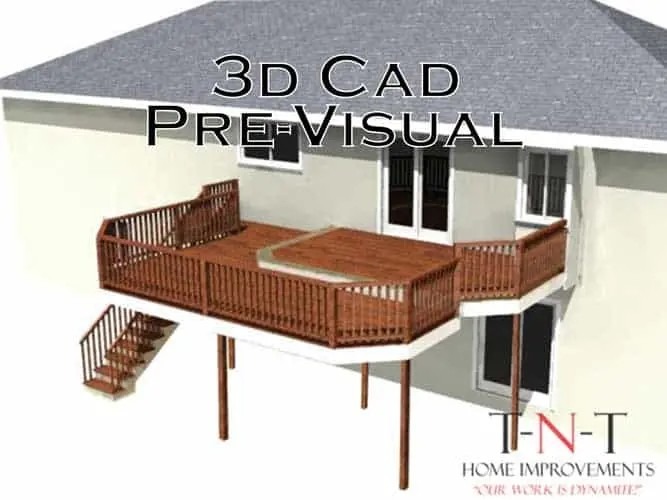
Planning a new deck is one of the most exciting ways to enhance your home’s outdoor living space, but it is also a significant investment where smart decisions early on make all the difference. For homeowners in Loveland looking to create the ideal outdoor retreat, 3D CAD deck design is proving to be an essential part of the planning process. This innovative pre-visualization tool allows you to see precisely how your finished deck will look and function, eliminating guesswork and allowing you to make informed layout choices before construction begins.
What Is 3D CAD Deck Design?

3D Computer-Aided Design (CAD) is a process in which your deck plans are digitally modeled to create a detailed, immersive representation of your proposed space. Unlike standard blueprints, a 3D CAD design shows real materials, colors, and textures, so you can “walk through” your future deck in a virtual environment. This is particularly useful in Loveland, where varying backyard sizes, foothills views, property elevations, and unique landscaping considerations impact deck construction.

How 3D Pre-Visualization Improves the Deck Planning Process

The planning phase is critical to ensuring your new outdoor space fits your needs and matches your vision. With 3D CAD pre-visualization, you can:

  • See how different layouts work with your existing landscaping and home exterior.

  • Experiment with railing styles, decking materials, lighting, and built-in features.

  • Make informed decisions on stairs, built-in seating, or whether a covered area is right for you.

  • Collaborate efficiently with your deck builder, minimizing miscommunication and delays.

By previewing your choices, you avoid costly mid-project changes. For example, Loveland homeowners often realize that additional shade or privacy screening is needed only after seeing the model in the context of the sunny Colorado climate and neighboring lots.

Reducing Surprises and Streamlining Construction

Deck projects in Northern Colorado involve several variables, from weather exposure to HOA requirements and varying lot grades. 3D CAD deck design helps identify and resolve challenges during the design phase by:

  • Revealing spatial constraints or access points you may not have considered.

  • Making it easier to comply with local building codes or HOA guidelines.

  • Ensuring that seasonal needs, such as snow load or summer shading, are addressed in advance.

With a detailed 3D model, the construction team can work more efficiently, reducing the risk of costly errors and ensuring disruption to your household is minimized.

Why Loveland Homeowners Value 3D Deck Design

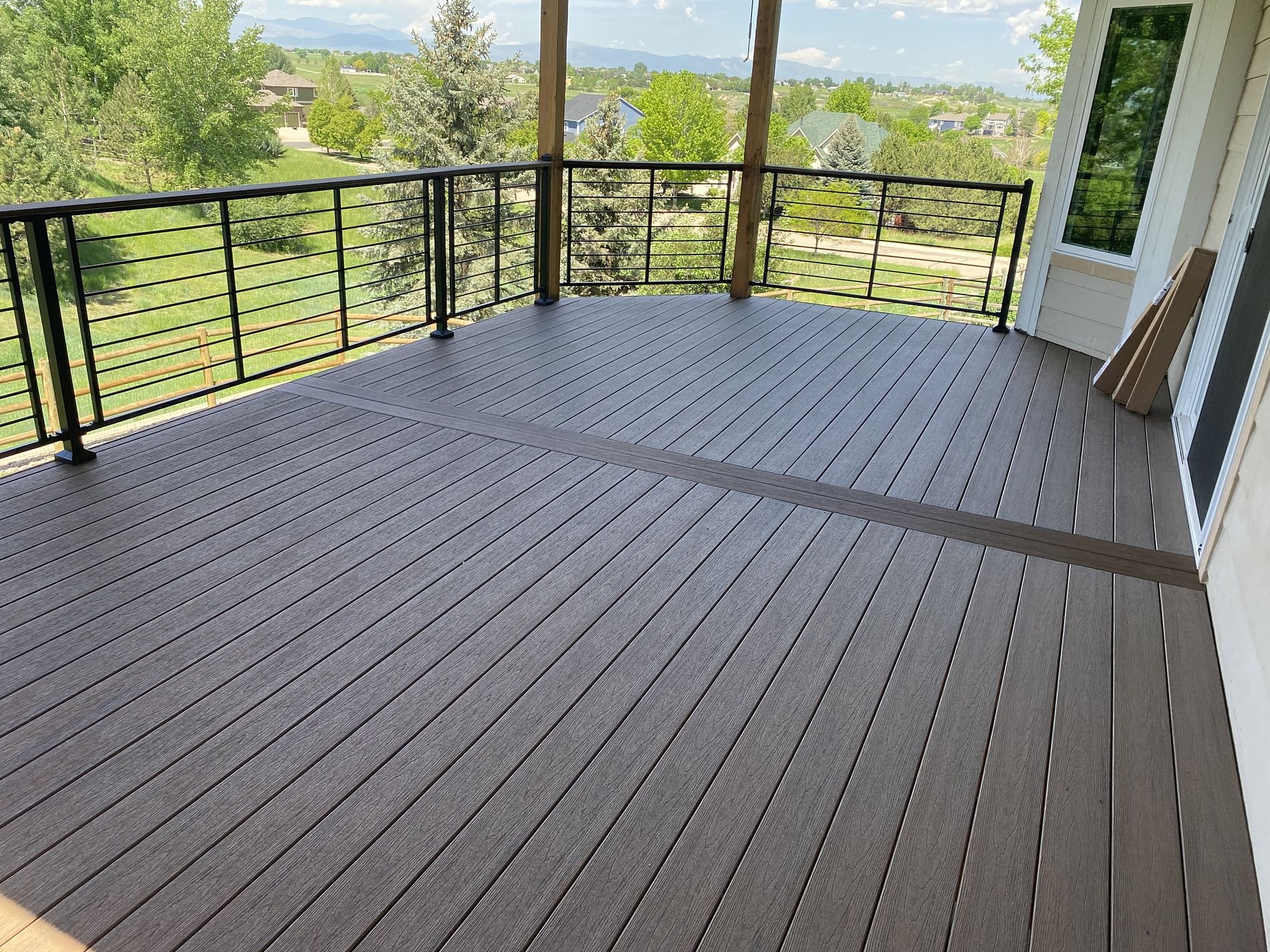
Local homeowners working with TNT Home Improvements consistently share positive feedback regarding the use of 3D CAD in the design process. For instance, clients have used digital models to visualize two-tone composite decking options or to test different layouts for outdoor kitchens and hot tub areas. The clarity provided by these lifelike models makes it easier to share ideas with family members and confirm that every aspect, from step placement to railing height, matches your needs.

Integrating this technology with custom deck building, patio covers, or deck railing installations ensures each project is tailored for maximum functionality and aesthetic appeal.

Start Planning Your Dream Deck with 3D CAD Design Today

If you are considering a new deck for your Loveland, CO, home, take advantage of the accuracy and creativity that 3D CAD deck design offers. At TNT Home Improvements, we can help you visualize, refine, and bring your ideal outdoor living space to reality. Ready to get started? Call us today at (970) 663-2868 or fill out our online form and discover how enjoyable and stress-free planning your deck can be.

Deck Railing Options for Colorado Homes from Cable and Metal to Composite

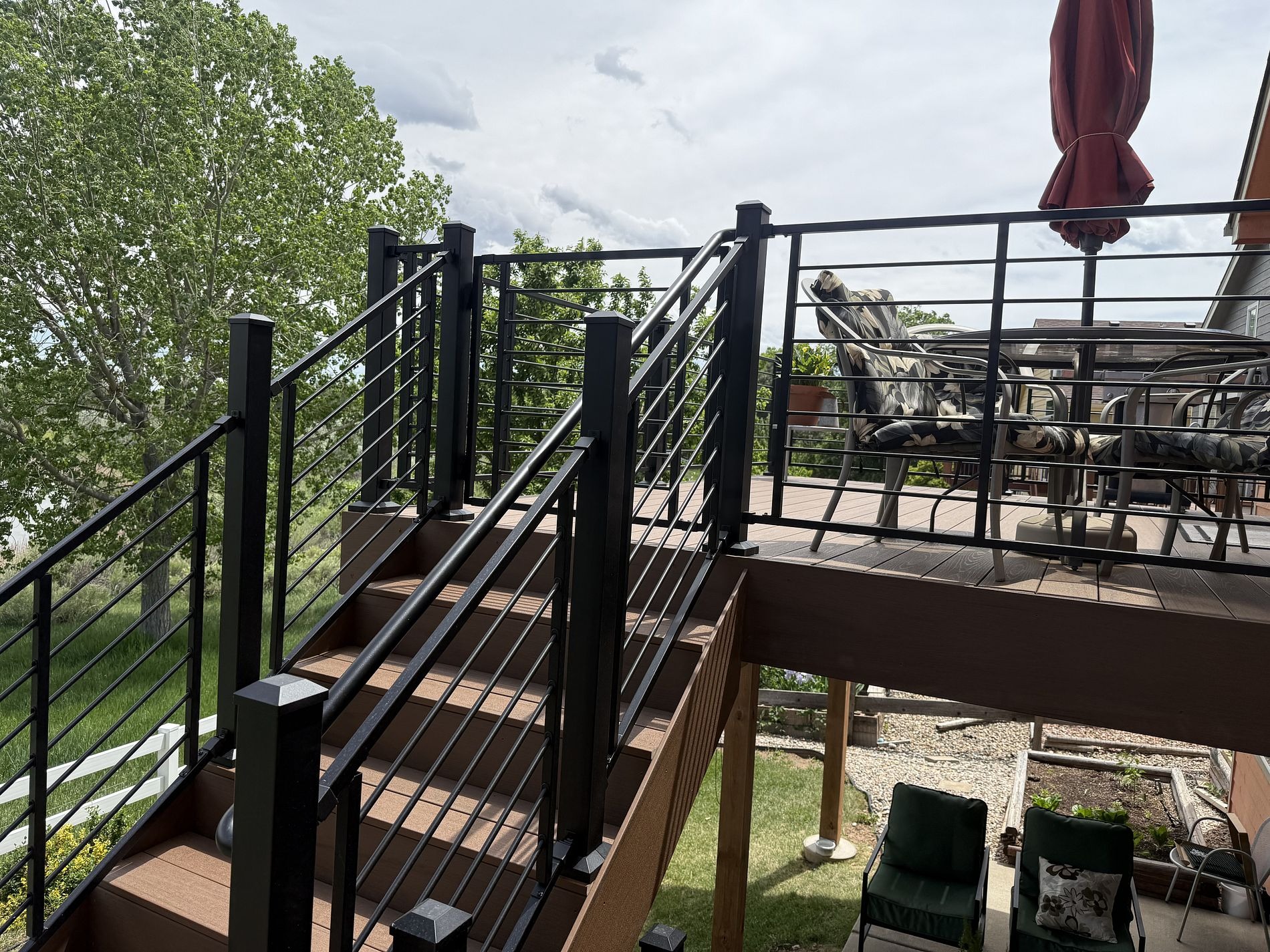
Choosing the right deck railing does more than satisfy building codes; it shapes the style of your outdoor living space and preserves the views that make Colorado so special. Whether your deck overlooks the Front Range, a backyard garden, or a community park, the railing you choose can enhance your home’s aesthetic, withstand seasonal weather swings, and reduce your long-term maintenance workload. Below, explore the top deck railing options, cable, aluminum, composite, and wood tailored to Colorado’s unique climate and design preferences.

Cable Railings: Minimize Visual Barriers, Maximize Views

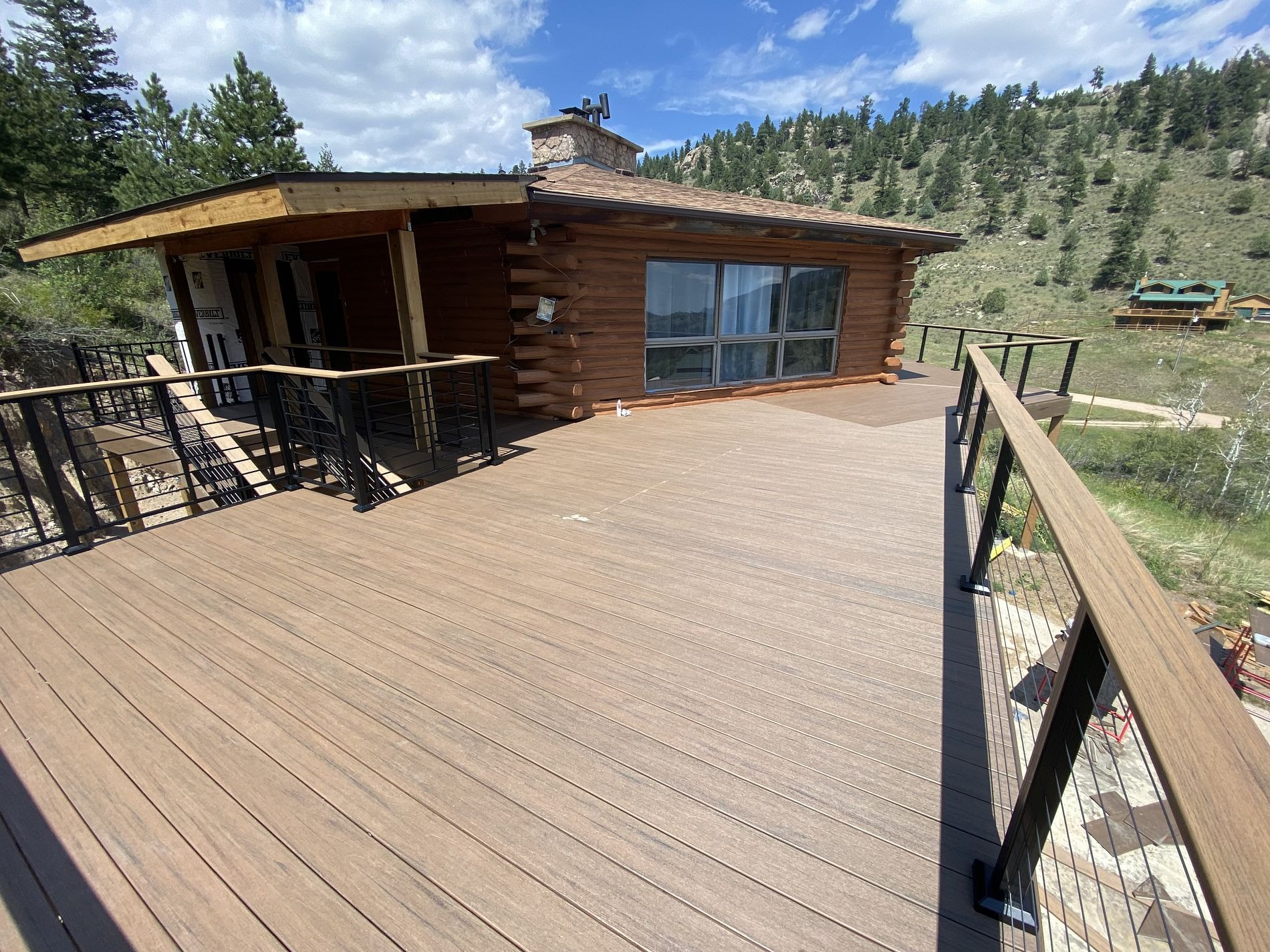
Cable railings are a popular modern solution for homeowners who want an unobstructed sightline. Using horizontal or vertical stainless steel cables combined with metal or wood frames, cable railings deliver sleek, contemporary styling while virtually disappearing into the landscape.

If your Fort Collins or Loveland property features mountain views or mature landscaping, cable railings keep the scenery front and center. Stainless steel resists rust and corrosion, important in Colorado’s snow- and sun-heavy climate. However, regular cleaning and periodic tightening are necessary to maintain both function and appearance.

Aluminum Railings: Low Maintenance and Contemporary Appeal

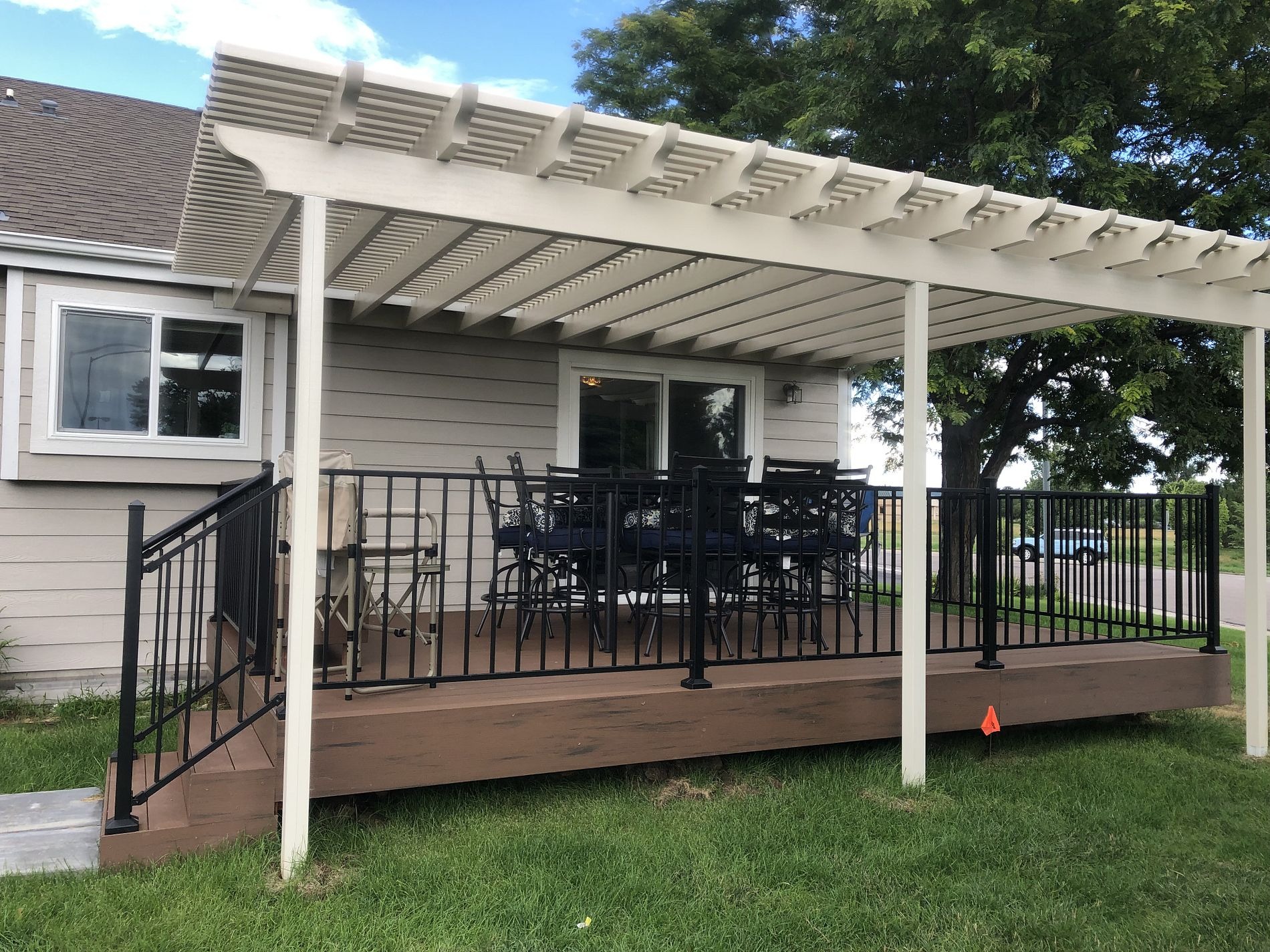
Aluminum railings offer a blend of durability, minimal maintenance, and a clean silhouette, which fits in with many of the modern and traditional homes in the region. Unlike iron, aluminum doesn’t rust, even after extended exposure to moisture, a benefit for decks that experience winter snow and summer thunderstorms.

Powder-coated options allow you to match or contrast your deck building materials, and the lightweight design makes installation quick whether the deck is elevated or at ground level. Aluminum railings don’t require seasonal painting or sealing, offering a hassle-free solution for busy homeowners.

Composite Railings: Ultimate Weather Resistance and Design Flexibility

Composite deck railings, made from a mix of wood fibers and plastics, provide exceptional resistance to fading, warping, and insect damage. This material stands up to Colorado’s intense UV exposure and temperature changes without splitting or rotting, making it an excellent pairing for composite decks or porch enclosures.

Several color and texture options mimic the look of natural wood or even metallic finishes, blending seamlessly with architectural styles from rustic cabins to mountain-modern homes. Maintenance only requires occasional cleaning, freeing up your weekends for enjoying your deck, not refinishing it.

Wood Railings: Classic Beauty and Customization Options

Wood railings remain a classic choice, favored for their natural warmth and ease of customization. Cedar and redwood are especially common because they’re naturally resistant to insects and decay, a strong bonus for Colorado’s fluctuating moisture levels.

You can stain or paint wood railings any color to coordinate with deck surfaces and home exteriors. However, planning on more hands-on upkeep: sealing, staining, or painting every couple of years is essential, as the Colorado sun and snow can take a toll on unprotected wood.

Pairing Railings with Decking and Home Styles

Selecting a railing is about more than material; it’s also about marrying your home’s architecture and your deck’s intended function. For example, aluminum or cable railings are a smart match for low-maintenance deck installation projects and contemporary homes. Composite railings complement composite decking for a seamless, polished appearance, while wood railings look right at home on mountain cabins or Craftsman-style residences.

Ready to Upgrade Your Deck Railing in Loveland, CO?

If you’re considering a deck railing upgrade, trust the team at TNT Home Improvements to guide you on the best materials and styles for lasting value in Loveland, CO and the surrounding area. As local specialists in deck railing installation, we understand the demands of the Colorado climate and the importance of both views and safety. Call us at (970) 663-2868 or fill out our easy online form to get started on a design tailored to your home.

How Big Should Your Deck Be?

When designing a new deck, one of the most crucial decisions is determining the ideal size. Whether you’re focused on outdoor dining, entertaining, or relaxing with the beautiful Colorado scenery as your backdrop, deck sizing affects functionality, comfort, and long-term value. In this article, you’ll find the most important considerations specific to Northern Colorado’s homes, covering local design norms, climate factors, and practical needs. This guidance will help you make informed decisions and achieve a deck that suits both your home and your lifestyle.

Assessing Your Outdoor Lifestyle Needs

Begin by thinking about how you plan to use your deck. Are you envisioning intimate family dinners, larger gatherings, or a quiet retreat to enjoy Loveland’s seasonal changes? These considerations drive the space requirements:

  • For small gatherings or a bistro set, a 6’x8′ platform may be sufficient.

  • If you plan to host family barbecues or larger groups, a 12’x16′ or even 16’x20′ deck offers the flexibility for both seating and movement.

  • Consider furniture footprints, walkways, and the potential addition of amenities like a fire pit or hot tub.

Deck space should always complement your indoor-outdoor flow, allowing for smooth transitions and minimal crowding.

Blending Deck Size With Your Home’s Architecture

A deck that is too large can overwhelm the property, while one that is too small may look out of scale and limit usability. As a general guideline, a deck should not exceed the width of your house. Here are a few localized pointers:

  • In Loveland and surrounding Colorado towns, many homes have sweeping views. A deck that is 12 to 16 feet deep maintains unobstructed vistas, without encroaching too far into the yard.

  • Raised decks on two-story homes often look and function best at a 14′-16′ depth, balancing structural support with visual appeal.

Careful attention to proportion also protects home value and ensures compliance with local building codes and HOA requirements.

Local Climate, Seasonality, and Material Choices

Northern Colorado’s four-season climate influences both the usability and the maintenance of your deck. Adequate size makes it possible to accommodate outdoor living almost year-round. For example:

  • Allow for shaded seating and grilling zones if your deck receives full sun.

  • Consider covered or partially covered spaces to shelter from sudden summer storms or winter snowfall.

  • Opt for durable materials and professional deck building for a deck that endures Colorado’s sun, wind, and moisture cycles.

TNT Home Improvements has observed that many Loveland homeowners prefer composite decking materials, which require less maintenance and accommodate expansion and contraction due to temperature swings.

Working Within Property Lines and Legal Restrictions

It’s essential to check local zoning setbacks, easements, and permitted structures before finalizing deck dimensions. For homes in Loveland and greater Larimer County, setback requirements can affect how far your deck may project from the home and its elevation off the ground. Experienced general contractors can navigate local ordinances, ensure proper permitting, and guide layout decisions based on these restrictions. This expertise streamlines the process and prevents costly redesigns or construction delays.

Considering Your Budget and Deck Investment

Since deck size directly impacts both construction cost and ongoing maintenance, balance ambition with budget:

  • A custom, multi-level deck may maximize space but also increase investment.

  • Simpler rectangular or square layouts are generally more budget-friendly while still delivering effective outdoor living.

  • Don’t underestimate the impact of labor, materials, and special features on your overall investment.

Consulting with professional deck services ensures that design ambitions and financial realities stay aligned, protecting your home’s overall value.

Contact TNT Home Improvements for Your Loveland, CO Deck Project

Deciding how big your deck should be is about more than aesthetics, it’s about enhancing your home’s livability for every season in Loveland, CO. If you’re ready to begin planning, reach out to TNT Home Improvements. The team can guide you through custom sizing, material choices, and compliance with local codes to create a deck that perfectly fits your property and lifestyle. Call 970-663-2868 or fill out our online form to start a conversation about your next deck project today.

Summer Deck Care: Protecting Your Investment During Hot Months

Summer in northern Colorado brings not only beautiful long evenings and BBQs on the deck, but also unique challenges for maintaining your outdoor living space. For homeowners in and around Loveland, mid-season deck care is essential for both safety and the longevity of your investment. As temperatures rise and UV rays intensify, your deck needs some attention to withstand the harsh effects of the season. Here’s a localized guide to keeping your deck in its best shape during the hot months, ensuring your space remains safe, beautiful, and ready for entertaining.

Protecting Your Deck from Intense UV Exposure

The summer sun can be relentless in Colorado, regularly pushing UV indexes to “high” or “very high” by midday. Prolonged UV exposure is one of the leading culprits behind faded, splintered, and weakened deck surfaces. To minimize damage, consider the following practical steps:

  • Apply a high-quality, UV-resistant sealant every one to two years, focusing on horizontal deck surfaces that receive the most sun exposure.

  • Choose stains or finishes specifically designed for the Colorado climate, as these add an extra layer of protection against the region’s intense sun.

  • Consider installing umbrellas, pergolas, or shade sails to physically block some of the sunlight, especially for decks that face south or west.

Reputable local companies like TNT Home Improvements can advise on current best products, as well as provide professional application for a seamless, even finish.

Routine Cleaning: The Foundation of Deck Care

Summer is prime time for outdoor gatherings, which means drinks are spilled, food is dropped, and grime from sandals or bare feet can quickly accumulate. Routine cleaning not only keeps your deck looking its best, but also prevents surface wear and mildew growth that shortens its life.

  • Sweep away debris and dust at least once a week.

  • Use a gentle, deck-safe cleaner and a soft brush for washing; avoid harsh pressure washing, as it can gouge softer wood.

  • Make it a point to wash away any bird droppings, leaves, or pollen, as these can lead to staining or surface deterioration, especially after thunderstorms.

For decks installed by professionals such as deck building, you can also request routine maintenance packages to ensure deep cleaning is handled without compromising your investment.

Inspecting Fasteners, Railings, and Connections

With significant temperature swings in Colorado, sometimes 40 degrees or more within a day, deck fasteners and railings can expand, contract, and loosen over time. This can result in unsafe conditions just when your deck sees the most use. Mid-summer is the ideal time for a thorough inspection.

  • Check all visible screws, nails, and bolts for corrosion or movement.

  • Test railings and steps for rigidity; tighten any loose posts or replace compromised hardware as needed.

  • For composite decks, carefully inspect the fastening systems specific to these materials, as they’re engineered differently than traditional wood decks.

If you spot structural concerns, companies that offer deck repair can quickly assess and resolve safety issues before your next get-together.

Don’t Overlook Seasonal Small Repairs

Minor issues that emerge in June or July such as hairline cracks, warped planks, or peeling stain often escalate if ignored. Addressing these “small” repairs early is cost-effective and keeps your deck attractive all summer long.

  • Repair or replace split or damaged boards when they first appear.

  • Touch up any flaking finish with compatible stain or sealant to prevent water infiltration.

  • Schedule an annual inspection with skilled local contractors for peace of mind, ensuring your deck is ready for peak season.

Customers having their decks installed by professionals who also offer patio cover installation may benefit from additional protection, reducing sun and water exposure to further minimize seasonal wear.

Contact TNT Home Improvements for Professional Deck Maintenance in Loveland, CO

Taking great care of your deck during the summer months is key to keeping your outdoor space safe, comfortable, and attractive for years to come. If you are in Loveland, CO, and want to safeguard your investment, let TNT Home Improvements handle your summer maintenance needs. Reach out today by calling (970) 663-2868 or filling out our convenient online form to schedule an inspection, cleaning, or maintenance service. Trust in a local team who understands northern Colorado’s climate and delivers tailored solutions to keep your deck at its best.

Comparing Composite vs. Traditional Wood Decking in Colorado’s Climate

In Colorado, high-altitude living brings incredible vistas but also unique challenges for outdoor living spaces, particularly decks. Homeowners choosing between composite and traditional wood decking need to consider not only material choices but also performance under Northern Colorado’s intense sunshine, wide temperature swings, snowfall, and persistent moisture. Here’s how both decking options fare in real local conditions so you can invest in a deck that stands the test of time.

Durability in Extreme Sunshine

Colorado’s more than 300 days of sun each year can be both a blessing and a challenge. Composite deck boards, often made from recycled plastics and wood fibers, are highly resistant to fading and don’t splinter under UV exposure. Traditional wood decks, such as those made from cedar or redwood, will naturally weather more quickly in the sun and often require additional treatments to prevent cracking, discoloration, and splitting.

UV stabilization additives in high-quality composite materials significantly cut down on fading, even in the direct Loveland summer sun. In contrast, wood decking that isn’t stained or sealed annually can become brittle and lose its rich color tones within just a few seasons.

Temperature Swings: Expansion and Contraction

Northern Colorado regularly sees 40°F temperature swings in a single day. Composite decking handles these shifts well, as most products are engineered to flex without warping. However, without proper installation space, some boards can expand or contract at a slightly different rate, which may cause minor gapping if not installed correctly.

Traditional wood is more vulnerable in this regard. Dry air causes shrinkage, while moisture from summer storms and snowmelt leads to swelling and even cupping. Seasoned wood can help, but consistent care and seasonal inspections are essential for lasting performance.

Performance Under Snowfall and Moisture

Decking in Colorado must stand up to spring storms, heavy snow accumulations, and cycles of freeze and thaw. Composite decking’s resistance to moisture absorption makes it less prone to mold, mildew, and rot when compared to natural wood. Snow and ice tend to slide off composites more easily, but sand or non-metal shovels are still recommended to avoid surface scratches.

Wood decks often absorb water, which increases the risk of warping, rot, and surface decay over time, particularly if snow piles remain on the surface through repeated melts. Regular sealing helps protect wood decks from the harshest conditions, but over years, even well-maintained wood boards will typically need replacement boards or comprehensive refinishing.

Longevity and Maintenance Requirements

When it comes to longevity, composite decks generally have the upper hand. On average, composites can last 25-30 years with minimal maintenance, requiring only occasional cleaning with water and mild detergent. Traditional wood decks may offer a classic aesthetic, but their lifespan is typically shorter, 10-15 years, even with well-timed staining and frequent repairs.

It’s worth noting that stains and finishes on wood decks, while enhancing the look, must be reapplied regularly to guard against the unique weather patterns of Colorado. Over time, maintenance costs can add up, making composite a more cost-effective investment for many homeowners.

Design Versatility and Resale Appeal

Both options offer attractive style choices, but composite decking comes in a wider array of factory-finished colors and grain patterns that don’t fade or flake away. This durability and low maintenance boost curb appeal and add resale value, which is often cited by homeowners working with deck builder services and outdoor living contractors to update their properties.

Traditional wood, however, allows for custom on-site staining and a naturally warm look that resonates with many Colorado residents. It does, however, require more upkeep to keep its appearance fresh, especially in areas exposed to weather and high foot traffic.

Ready to Build or Upgrade Your Deck?

Contact TNT Home Improvements for Expert Deck Solutions

If you’re weighing composite versus wood decking for your Loveland, CO home, trust the local experts who understand the specific challenges of Colorado’s climate. TNT Home Improvements offers personalized consultations, deck construction, and outdoor living design tailored to regional conditions. Contact the team at (970) 663-2868 or fill out our online form today to schedule your appointment and start creating your ideal outdoor living space.

What to Expect When Building a Deck

Building a deck is one of the most rewarding ways to add both beauty and functionality to your outdoor living space. If you are considering a new deck addition this season, it’s useful to understand what the process entails, what choices you’ll need to make, and how to prepare for a smooth experience from design through to enjoying your new space.

Understanding the Planning and Design Phase

Every successful deck build starts with thoughtful planning and design. Expect to work closely with a contractor who will guide you through options such as the size and shape of the deck, preferred materials like pressure-treated wood, composite, or natural hardwoods, and features such as railings, stairs, built-in seating, or even a pergola. In Loveland and across Northern Colorado, designs often take into account scenic views and weather patterns such as deck orientation and material choice should factor in Colorado’s sun exposure and seasonal snow.

During this time, your contractor may suggest a site visit. This is a key step as it allows detailed measurements and assessment of your yard’s slope, soil, drainage, and proximity to existing structures. It is also the phase where you discuss your budget, timeline, and any custom features you want.

Permitting and Approvals

Building a deck in the Loveland area typically requires permits. Your contractor will handle the submission of plans to the local authorities, ensuring the design meets building codes and zoning requirements. This is particularly important to ensure your build is both legal and safe. Inspections might be required at different stages, so your timeline should accommodate these steps.

Selecting the Right Materials

The choice of decking material has a big impact on your deck’s longevity and maintenance needs. Common options include:

  • Pressure-treated wood for affordability and durability

  • Composite decking for low maintenance

  • Natural hardwoods for premium appearance and durability

Colorado’s freeze-thaw cycles and sun intensity mean you should select materials proven to withstand such conditions. Reliable contractors, like TNT Home Improvements, often recommend deck building services that incorporate tried-and-tested products for the local climate.

Construction Process and Timeline

Once permits are secured and materials arrive, the construction phase can begin. Here’s what you should expect:

  • Demolition and site preparation, which may include removing existing structures or rough grading the area

  • Setting foundations using piers or footings designed for local frost depth

  • Installing framing, decking boards, and railings in sequence

  • Final touches such as stairs, skirting, and optional features like lighting or privacy screens

Weather plays a role in scheduling with late spring to early fall being ideal for deck construction in Loveland, minimizing delays. On average, a custom deck build may take anywhere from one to three weeks, depending on complexity, site conditions, and weather.

Inspection, Cleanup, and Maintaining Your Deck

Before your deck is ready for use, it must pass a final inspection from local authorities. Once approved, contractors like TNT Home Improvements carefully remove debris and return your yard to its pre-project state as much as possible.

To maintain your investment, routine cleaning and periodic inspection for loose fasteners, worn boards, or finish wear is advised, particularly after harsh winters or storms. Many homeowners opt for deck repair or maintenance packages to keep their outdoor space looking great year-round.

Get Your Custom Deck Project Started with TNT Home Improvements

If you are ready to transform your yard in Loveland, CO, into a beautiful and functional outdoor living area, TNT Home Improvements offers expert consultation, design, construction, and deck installation services tailored to Northern Colorado’s climate and your unique needs. Call TNT Home Improvements at (970) 663-2868 or fill out our online form to schedule your personalized estimate and take the first step toward your new deck.

Should You Build an Outdoor Kitchen?

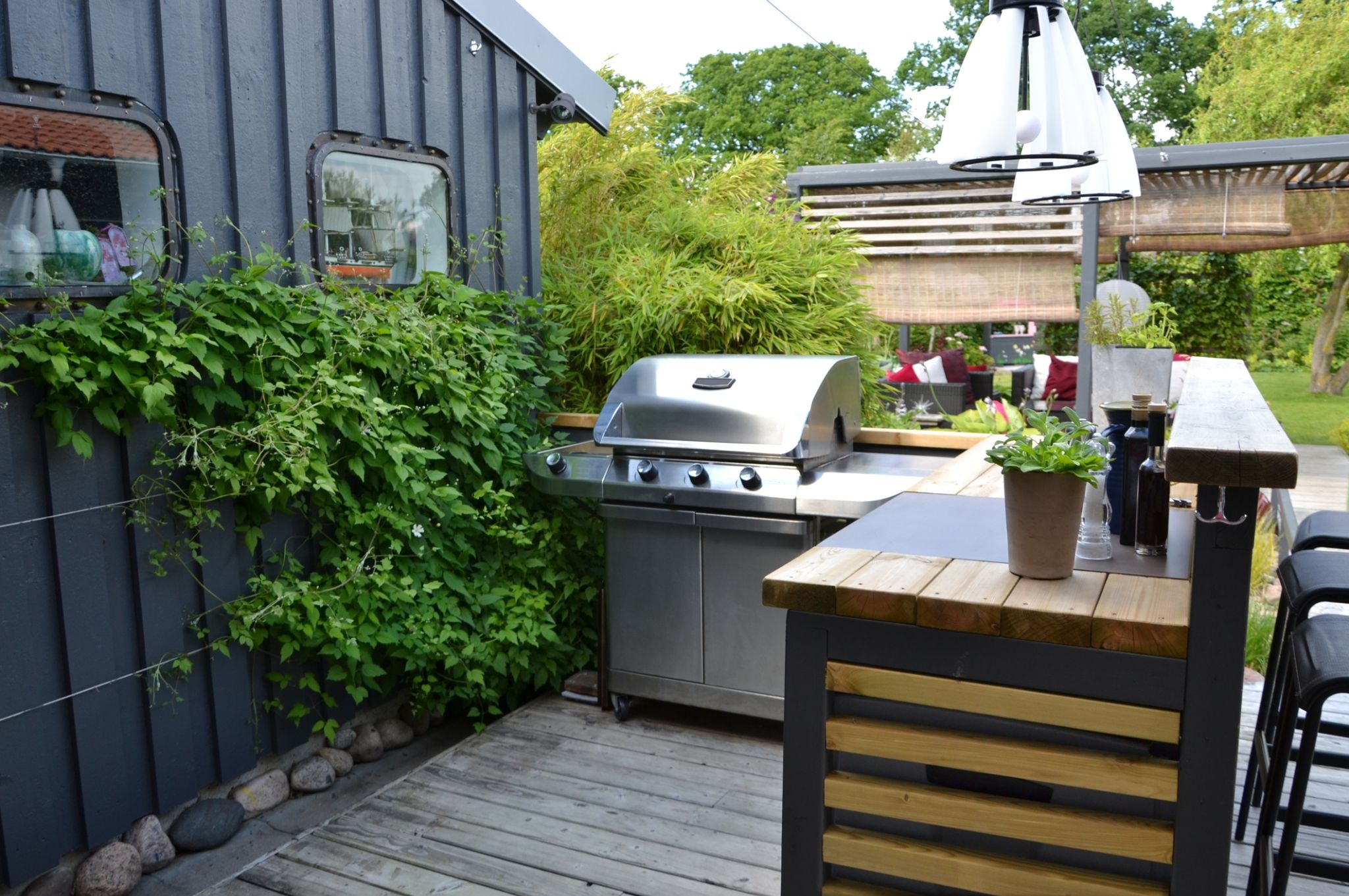
An outdoor kitchen can be a transformative addition to your home, offering a dedicated space for entertaining and enhancing the overall value of your property. Deciding whether to invest in an outdoor kitchen involves considering your lifestyle, property layout, and local climate conditions. This article explores the primary reasons to consider building an outdoor kitchen, examines potential drawbacks, and identifies key features that homeowners in Colorado should keep in mind.

Key Benefits of Adding an Outdoor Kitchen

Building an outdoor kitchen can deliver several notable advantages for homeowners, especially those who enjoy hosting gatherings or maximizing outdoor space. Some of the primary benefits include:

  • Enhanced entertainment opportunities for family and friends during gatherings

    Increased property value, as outdoor living spaces are highly desirable in today’s real estate market.

  • Expanded living space, which can make your yard feel like an extension of your home.

  • Improved convenience for backyard cookouts and summer meals, reducing the need to shuttle between your indoor kitchen and patio.

  • Customization options, such as integrated grills, bar seating, sinks, refrigerators, and storage for a fully functional food prep zone.

Potential Drawbacks to Consider

While the appeal of an outdoor kitchen is strong, it is important to weigh potential downsides before starting this project:

  • Initial installation costs can be significant, particularly when investing in high-end appliances or custom designs.

  • Long-term maintenance is necessary to keep your outdoor kitchen in prime condition, as appliances and surfaces are exposed to the elements.

  • Seasonal limitations in Colorado mean that some outdoor kitchens may see less use during colder, snowy months.

  • Utility connections, such as gas, water, and electricity, may require professional installation and permitting.

Essential Features for Colorado Outdoor Kitchens

Outdoor kitchens in Northern Colorado should be thoughtfully designed to accommodate the region’s distinct weather and lifestyle. Consider including the following features:

  • Durable, weather-resistant materials like stone, stainless steel, and sealed pavers to withstand temperature fluctuations.

  • High-quality grills or smokers with protective covers.

  • Overhead pergolas, retractable awnings, or pavilion roofs to provide shade in summer and shelter in unpredictable weather.

  • Integrated storage and deck building elements to maximize function and comfort.

Planning Your Outdoor Kitchen Project

Preparation is key to a successful outdoor kitchen installation. When planning, be sure to:

  • Set a clear project budget and timeline.

  • Select a location near your indoor kitchen or entertaining area, considering optimal access and utility hookups.

  • Work with experienced professionals who offer comprehensive outdoor living spaces solutions, including consulting on layout, materials, and appliance options.

  • Think about future upgrades or outdoor features, such as connecting your kitchen to a patio cover or dedicated dining area.

Ready to Build Your Dream Outdoor Kitchen in Loveland, CO?

If you are considering adding an outdoor kitchen to your home in Loveland, CO, let TNT Home Improvements help turn your vision into reality. Our team specializes in designing and installing exceptional outdoor living spaces tailored to Northern Colorado’s unique environment. For a free consultation, call us today at (970) 663-2868 or fill out our convenient online form to get started on your outdoor kitchen project.

Attached vs. Detached Decks: Which Is Better for You?

When planning to enhance your outdoor living space with a new deck, one of the first decisions you will need to make is whether an attached or detached (freestanding) deck better suits your home. Each option offers distinct advantages and potential drawbacks. The right choice will depend on your property layout, the design of your home, and how you intend to use the space.

The Pros and Cons of Attached Decks

Attached decks are secured directly to the house using a ledger board. This connection allows the deck to benefit from the home’s structural support, often reducing the number of posts required. With fewer posts, there is generally more usable space underneath for storage or a ground-level patio.

However, the installation of an attached deck must be done with precision. An improperly attached ledger can create water intrusion issues or structural failure. Homes with stone or brick veneers, manufactured siding, or unique architectural features may also require specialized installation methods, which can increase complexity.

Understanding Detached Decks

A detached or freestanding deck is built independently from the home and relies entirely on its own support system. Because it does not connect to the house, it removes the risk of compromising the home’s exterior or causing water penetration. Detached decks can be built in nearly any location on the property, making them ideal for irregular layouts, garden spaces, or poolside areas.

While versatile, detached decks may require more posts and footings, which can increase material costs. Proper installation is essential to minimize shifting or movement over time, particularly on uneven terrain or soil with poor stability.

Making the Right Choice for Your Home

Choosing between an attached or detached deck depends on your goals and the limitations of your property. Attached decks are ideal for homeowners who want a seamless transition from indoors to outdoors and whose home structure allows for safe attachment. Detached decks are often the better choice when the home cannot support a ledger, when preserving the home’s exterior is a priority, or when you want flexibility in design and placement.

Considerations and Cost Implications

Budget is an important part of the decision. Although attached decks may appear more affordable due to fewer support posts, safely connecting the structure to your home can require additional labor and materials, especially if modifications to the exterior are needed. Detached decks usually involve higher material use, but the simpler construction process can sometimes balance the overall cost. Evaluating both material and labor considerations will help you determine which option offers the best long-term value.

Ready to Transform Your Outdoor Space?

If you’re considering a new deck and weighing the benefits of attached versus detached designs, TNT Home Improvements in Loveland, CO is here to help. Our team specializes in building custom decks tailored to your home, budget, and lifestyle needs. With durable craftsmanship and a focus on long-lasting functionality, we can bring your outdoor living vision to life. Contact TNT Home Improvements today at (970) 663-2868 or fill out our online form to start planning your project.