Factors That Affect the Cost of a Custom Deck

When considering adding a custom deck to your home, understanding the cost factors can help you make informed decisions and avoid unexpected expenses. Custom decks can significantly enhance outdoor living spaces and increase property value, but several variables determine the final price. By exploring these influences, you can prioritize your needs and design a deck that balances both aesthetics and budget.
Material Selection and Quality

The choice of materials is one of the largest contributors to deck costs. Common materials include pressure-treated lumber, cedar, composite decking, and hardwoods like ipe. Each has its price point and maintenance requirements. For example, composite decking, while more costly upfront, offers low maintenance and longevity, which can save you money over time. Pressure-treated wood is more affordable initially but may require more maintenance due to Colorado’s variable climate, which ranges from harsh sun to snow and ice. Local building codes and HOA requirements can also dictate material selections.

Deck Size, Shape, and Height

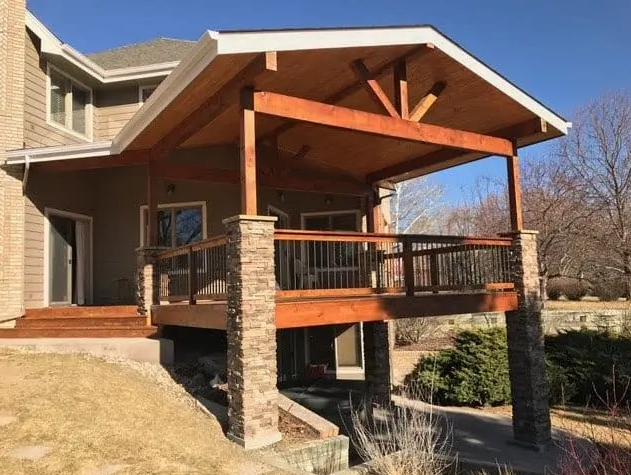
The size and shape of your custom deck will directly affect the cost of materials and labor. Larger decks require more support posts, joists, and decking boards, quickly increasing the project’s total expense. Complex shapes, curves, or multiple levels add design intricacies and labor time. Elevated decks, especially those more than 30 inches off the ground require additional safety measures, such as reinforced supports or custom railings, further impacting the budget.

Site Preparation and Accessibility

Your property’s layout can influence how easy it is for a contractor to build the deck. Uneven terrain, slopes, and the presence of large trees or existing landscaping may require extensive site preparation, grading, or removal. The accessibility of the construction site also matters; tight spaces or difficult-to-reach backyards often need extra labor or specialized equipment, leading to higher project costs.

Customization and Additional Features

A custom deck can include a variety of enhancements, each adding to the final cost. Popular features include:

  • Built-in seating

  • Integrated lighting

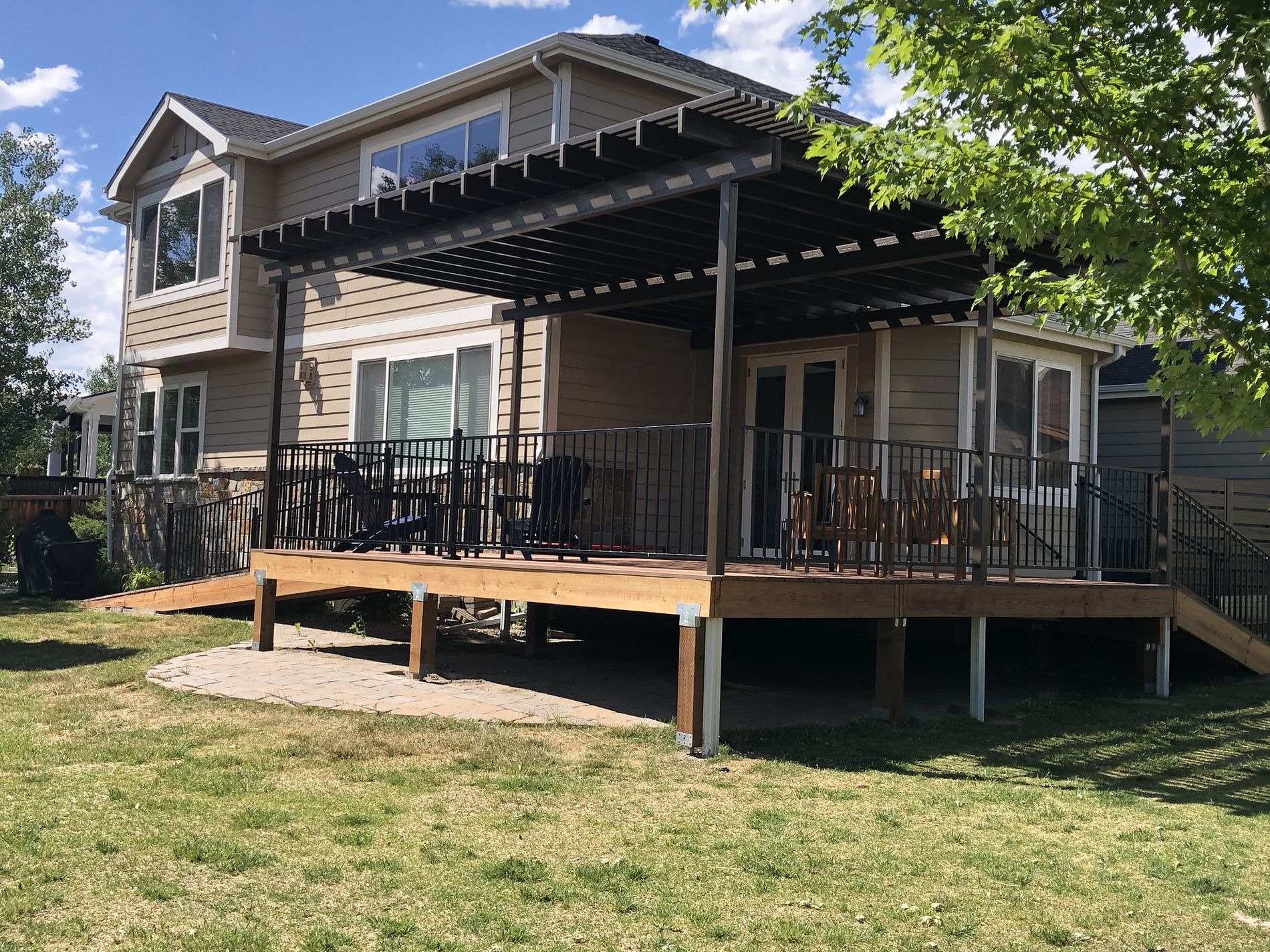
  • Pergolas or shade structures

  • Outdoor kitchens or fire pits

  • Custom railings and staircases

Selecting premium finishes, stainless steel hardware, or intricate design details further distinguishes your deck and impacts pricing. In Northern Colorado, incorporating weather-resistant features like waterproofing systems or heaters can help maximize year-round enjoyment but also add to the construction budget.

Permitting, Labor, and Local Considerations

Local building codes require permits for deck construction, and these come with associated fees. Working with a reputable deck builder familiar with local regulations ensures compliance and high-quality work. Labor rates may fluctuate based on the contractor’s experience and current demand, especially during peak seasons. Choosing a trusted local professional can also impact timelines, as their knowledge of Loveland’s climate and soil conditions allows for better planning and more durable construction.

Get a Custom Deck Estimate in Loveland, CO

If you want an accurate estimate for your custom deck in Loveland, Colorado, trust TNT Home Improvements for personalized service and quality craftsmanship. Whether you are interested in composite decking, multi-level structures, or integrated features, TNT Home Improvements will guide you from design through construction using durable materials suited to Colorado’s unique weather. Call TNT Home Improvements today at 970-663-2868 or complete the online form to discuss your dream deck and request a quote tailored to your home and needs.

5 Sturdy Materials Suitable for Building Decks

Building the perfect deck for your home involves selecting materials that balance aesthetics, durability, and maintenance. With advancements in construction options and growing interest in outdoor living spaces, homeowners now have several reliable materials to create their ideal deck. In this post, we explore five sturdy materials suitable for deck building, highlighting their benefits and considerations to help you make an informed choice.

1. Composite Decking

Composite decking has become increasingly popular due to its durability and low-maintenance nature. Made from a mix of wood fibers and recycled plastics, it is an eco-friendly option that withstands weather, pests, and moisture. Composite decking is available in a wide range of colors and textures, allowing you to match your outdoor décor while enjoying a long-lasting, sustainable deck.

2. Natural Wood

For a timeless, classic look, natural wood options such as Ipe, Teak, Cedar, and Redwood offer warmth and beauty. Cedar and Redwood are naturally resistant to decay and pests, providing durable choices for outdoor spaces. However, wood decks require regular maintenance, including staining and sealing, to preserve their appearance and longevity.

3. Aluminum Decking

Aluminum decking is a less traditional, yet extremely sturdy option. Resistant to rust, decay, and insect damage, aluminum is also lightweight and remains cool underfoot. Many aluminum decks feature slip-resistant surfaces, making them a safe and durable choice for families and outdoor entertaining.

4. PVC Decking

PVC, or polyvinyl chloride, decking is a 100% synthetic material known for its high durability and low maintenance. Resistant to moisture, insects, and fading, PVC decking offers a practical, eco-friendly solution for homeowners seeking long-lasting performance with minimal upkeep.

5. Pressure-Treated Wood

Pressure-treated wood is an affordable and widely used option for deck construction. Chemically treated to resist rot, insects, and moisture, it provides a practical solution for durable outdoor flooring. Like natural wood, pressure-treated decks require routine maintenance, including staining and sealing, to prevent warping and prolong their lifespan.

Deck Maintenance Considerations

Choosing a deck material also means considering ongoing care. Composite and PVC decking require minimal maintenance, usually just periodic cleaning. Wood and pressure-treated options, while beautiful, need regular staining, sealing, and inspections to maintain their appearance and structural integrity.

Elevate Your Loveland, CO Home with TNT Home Improvements

Ready to transform your outdoor space with a durable and stylish deck? TNT Home Improvements in Loveland, CO offers expert guidance and construction services for all deck types, including composite, wood, aluminum, and PVC. Our team will help you select the ideal material for your lifestyle and aesthetic preferences.

Start Your Deck Project Today

Don’t wait to create the outdoor space you’ve always envisioned. Contact TNT Home Improvements today at (970) 663-2868 or fill out our online form to get started. From material selection to construction, we ensure a smooth, satisfying process and a custom deck built for lasting enjoyment and value.

How to Select the Best Material for Deck Building in Fort Collins, CO

close up of wood decking

With so many options for deck building in Fort Collins, CO, it can be difficult to decide which material is best. Making the selection that is best for you will come down to figuring out which material is most compatible with your needs and circumstances. Here are a couple of things to consider when you are planning for your new deck.

Considering the climate

No matter which type of decking material you select, the climate of the area that you live in will play a huge factor in your deck’s longevity. Because your deck will be exposed to all types of elements every season, it is important to pay attention to the specific conditions that your deck will have to face year-round. Decks made with composite materials tend to absorb and hold onto heat at a higher rate, so it might be best to avoid these materials in excessively warm climates. In fact, if you live in an area that experiences scorching heat for any length of time during the year, a composite deck could become so warm that it becomes uncomfortable to stand on, barefoot or otherwise.

On the other hand, a lot of rain and snow annually will accelerate the weathering of a wood deck. Heavy exposure to water will continue to weaken the sealing on the wood over time, as well as increase the risk of moisture damage that could cause the wood to begin to rot. In this case, the stain-proof finish that is characteristic on composite wood decks would be a better choice than natural wood. With all of this in mind, knowing what kind of weather your deck will have to combat will help you to make the best decision about which type of decking material will hold up best.

Weighing cost and maintenance requirements

Because composite wood is made up of several different materials, the cost is substantially more than natural wood. Composite materials also aren’t as fundamentally strong as natural wood, so additional money will have to be spent to reinforce the structural soundness of these types of decks. But while the installation and materials for composite decks cost more than that of natural wood, wood decking might end up costing more in the long run due to the extensive maintenance that will be necessary to keep the wood in good condition. Composite decks do not require yearly re-staining and resealing, because the material is already stain and weather proof. Composite wood also does not possess the same vulnerability to rotting and splintering as natural wood, which means that less money will be spent on repairs during the life of the deck.

How you want your deck to look and hold up, along with an analysis of your specific climate, will help you make the decision about which material will be best for your deck building in Fort Collins, CO. If you find that you need additional help making this decision, or are ready to begin building your deck, contact the knowledgeable staff at TNT Home Improvements today for a free estimate.