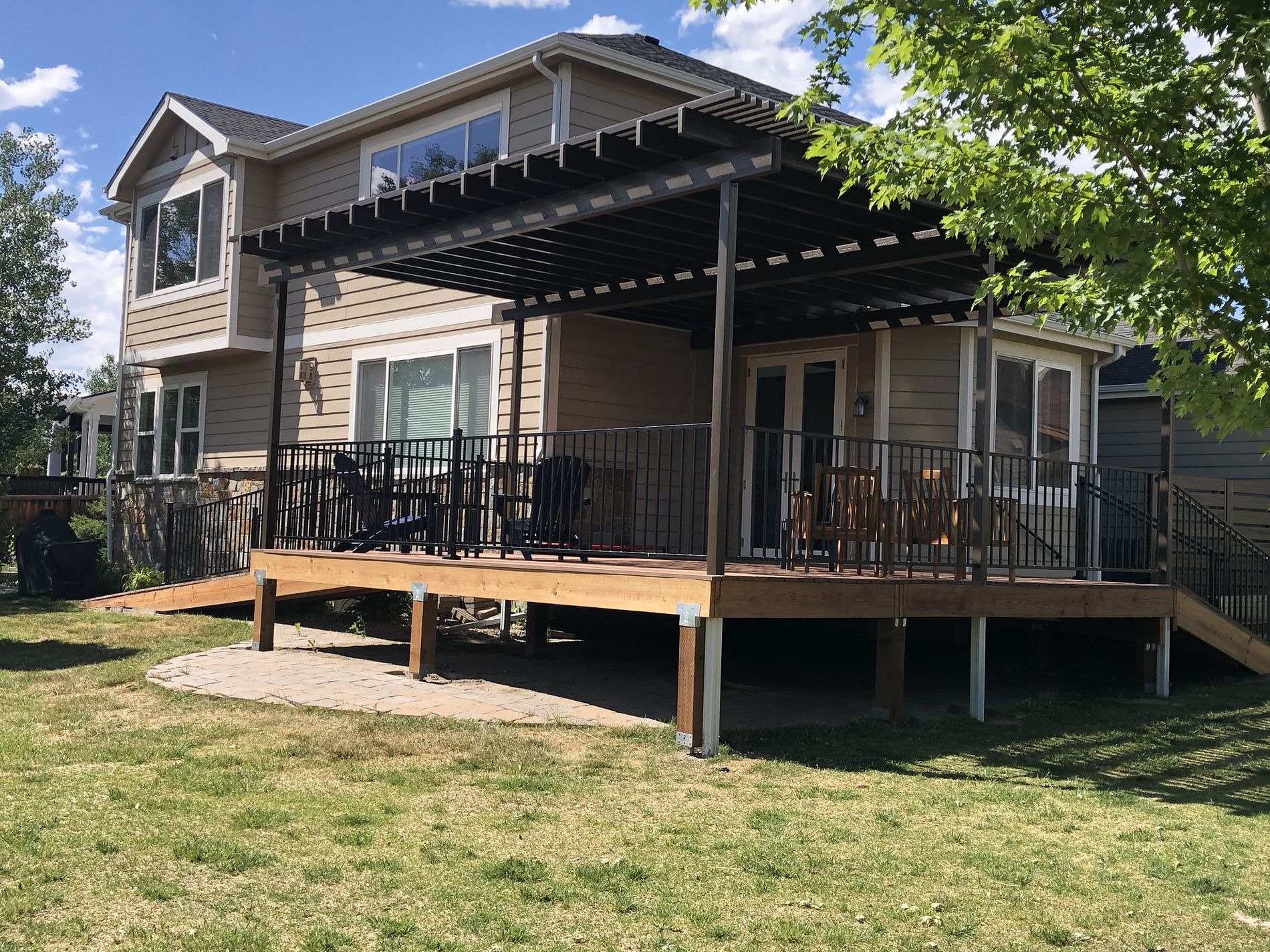
Comparing Composite vs. Traditional Wood Decking in Colorado’s Climate

In Colorado, high-altitude living brings incredible vistas but also unique challenges for outdoor living spaces, particularly decks. Homeowners choosing between composite and traditional wood decking need to consider not only material choices but also performance under Northern Colorado’s intense sunshine, wide temperature swings, snowfall, and persistent moisture. Here’s how both decking options fare in real local conditions so you can invest in a deck that stands the test of time.
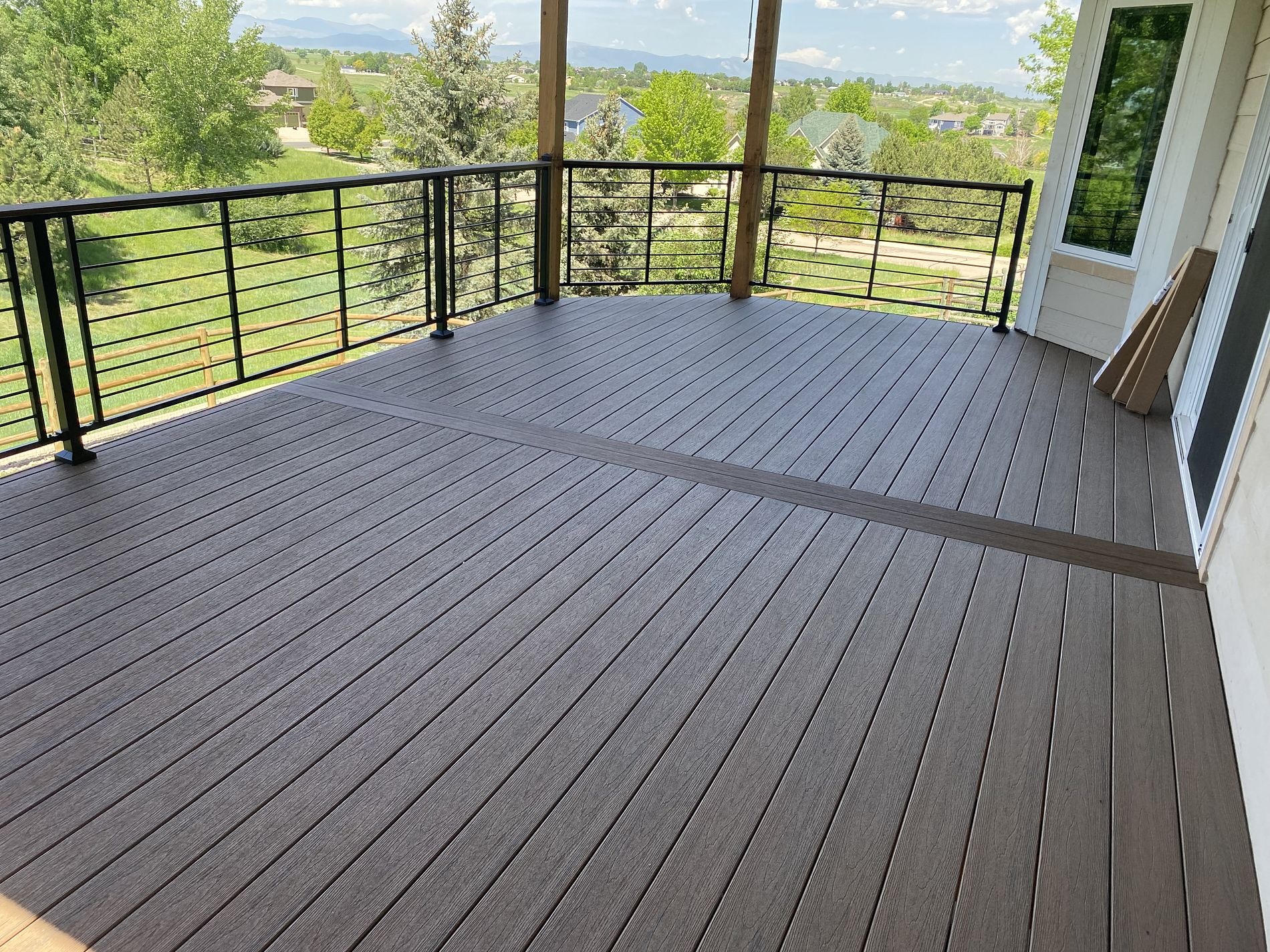
Durability in Extreme Sunshine

Colorado’s more than 300 days of sun each year can be both a blessing and a challenge. Composite deck boards, often made from recycled plastics and wood fibers, are highly resistant to fading and don’t splinter under UV exposure. Traditional wood decks, such as those made from cedar or redwood, will naturally weather more quickly in the sun and often require additional treatments to prevent cracking, discoloration, and splitting.

UV stabilization additives in high-quality composite materials significantly cut down on fading, even in the direct Loveland summer sun. In contrast, wood decking that isn’t stained or sealed annually can become brittle and lose its rich color tones within just a few seasons.

Temperature Swings: Expansion and Contraction

Northern Colorado regularly sees 40°F temperature swings in a single day. Composite decking handles these shifts well, as most products are engineered to flex without warping. However, without proper installation space, some boards can expand or contract at a slightly different rate, which may cause minor gapping if not installed correctly.

Traditional wood is more vulnerable in this regard. Dry air causes shrinkage, while moisture from summer storms and snowmelt leads to swelling and even cupping. Seasoned wood can help, but consistent care and seasonal inspections are essential for lasting performance.

Performance Under Snowfall and Moisture

Decking in Colorado must stand up to spring storms, heavy snow accumulations, and cycles of freeze and thaw. Composite decking’s resistance to moisture absorption makes it less prone to mold, mildew, and rot when compared to natural wood. Snow and ice tend to slide off composites more easily, but sand or non-metal shovels are still recommended to avoid surface scratches.

Wood decks often absorb water, which increases the risk of warping, rot, and surface decay over time, particularly if snow piles remain on the surface through repeated melts. Regular sealing helps protect wood decks from the harshest conditions, but over years, even well-maintained wood boards will typically need replacement boards or comprehensive refinishing.

Longevity and Maintenance Requirements

When it comes to longevity, composite decks generally have the upper hand. On average, composites can last 25-30 years with minimal maintenance, requiring only occasional cleaning with water and mild detergent. Traditional wood decks may offer a classic aesthetic, but their lifespan is typically shorter, 10-15 years, even with well-timed staining and frequent repairs.

It’s worth noting that stains and finishes on wood decks, while enhancing the look, must be reapplied regularly to guard against the unique weather patterns of Colorado. Over time, maintenance costs can add up, making composite a more cost-effective investment for many homeowners.

Design Versatility and Resale Appeal

Both options offer attractive style choices, but composite decking comes in a wider array of factory-finished colors and grain patterns that don’t fade or flake away. This durability and low maintenance boost curb appeal and add resale value, which is often cited by homeowners working with deck builder services and outdoor living contractors to update their properties.

Traditional wood, however, allows for custom on-site staining and a naturally warm look that resonates with many Colorado residents. It does, however, require more upkeep to keep its appearance fresh, especially in areas exposed to weather and high foot traffic.

Ready to Build or Upgrade Your Deck?

Contact TNT Home Improvements for Expert Deck Solutions

If you’re weighing composite versus wood decking for your Loveland, CO home, trust the local experts who understand the specific challenges of Colorado’s climate. TNT Home Improvements offers personalized consultations, deck construction, and outdoor living design tailored to regional conditions. Contact the team at (970) 663-2868 or fill out our online form today to schedule your appointment and start creating your ideal outdoor living space.

5 Sturdy Materials Suitable for Building Decks

Building the perfect deck for your home involves selecting materials that balance aesthetics, durability, and maintenance. With advancements in construction options and growing interest in outdoor living spaces, homeowners now have several reliable materials to create their ideal deck. In this post, we explore five sturdy materials suitable for deck building, highlighting their benefits and considerations to help you make an informed choice.

1. Composite Decking

Composite decking has become increasingly popular due to its durability and low-maintenance nature. Made from a mix of wood fibers and recycled plastics, it is an eco-friendly option that withstands weather, pests, and moisture. Composite decking is available in a wide range of colors and textures, allowing you to match your outdoor décor while enjoying a long-lasting, sustainable deck.

2. Natural Wood

For a timeless, classic look, natural wood options such as Ipe, Teak, Cedar, and Redwood offer warmth and beauty. Cedar and Redwood are naturally resistant to decay and pests, providing durable choices for outdoor spaces. However, wood decks require regular maintenance, including staining and sealing, to preserve their appearance and longevity.

3. Aluminum Decking

Aluminum decking is a less traditional, yet extremely sturdy option. Resistant to rust, decay, and insect damage, aluminum is also lightweight and remains cool underfoot. Many aluminum decks feature slip-resistant surfaces, making them a safe and durable choice for families and outdoor entertaining.

4. PVC Decking

PVC, or polyvinyl chloride, decking is a 100% synthetic material known for its high durability and low maintenance. Resistant to moisture, insects, and fading, PVC decking offers a practical, eco-friendly solution for homeowners seeking long-lasting performance with minimal upkeep.

5. Pressure-Treated Wood

Pressure-treated wood is an affordable and widely used option for deck construction. Chemically treated to resist rot, insects, and moisture, it provides a practical solution for durable outdoor flooring. Like natural wood, pressure-treated decks require routine maintenance, including staining and sealing, to prevent warping and prolong their lifespan.

Deck Maintenance Considerations

Choosing a deck material also means considering ongoing care. Composite and PVC decking require minimal maintenance, usually just periodic cleaning. Wood and pressure-treated options, while beautiful, need regular staining, sealing, and inspections to maintain their appearance and structural integrity.

Elevate Your Loveland, CO Home with TNT Home Improvements

Ready to transform your outdoor space with a durable and stylish deck? TNT Home Improvements in Loveland, CO offers expert guidance and construction services for all deck types, including composite, wood, aluminum, and PVC. Our team will help you select the ideal material for your lifestyle and aesthetic preferences.

Start Your Deck Project Today

Don’t wait to create the outdoor space you’ve always envisioned. Contact TNT Home Improvements today at (970) 663-2868 or fill out our online form to get started. From material selection to construction, we ensure a smooth, satisfying process and a custom deck built for lasting enjoyment and value.

Wood Decks Versus Composite Decks

The outdoors has become an important part of every home. Everyone is interested in having the best space. When buying homes, prospective buyers will prefer a home that has a beautiful space like a deck. Decks come in different shapes and sizes. The good thing about a deck is that you can personalize it and make it feel like yours. It becomes an extension of your indoor space. Your family will appreciate being in a beautiful outdoor space.

When planning to build a deck, one of the key choices you will have to make is on the type of decking to use. There is a wide range of options, but the most common are wood and composite. Whether you are planning to do it on your own or you are going to hire a contractor, you will need to choose the option that works best for you.

Treated lumber is used in most decks for framing. The framing is the part of the deck that you cannot see unless you are below it. Your choice involves the materials making up the railings and the decking surface.

Wood decking

There are different wood species you can use for your deck and railing. Some of the most common options are redwood, cedar, and pressure-treated pine lumber. If you are looking for exotic wood species for your deck, then you can look at options such as ipe, tigerwood, and mahogany.

Composite wood decking

Composite decking was invented in the ’90s and has continued to become popular. Composite wood decking is made of wood fibers that are encased in plastic. More and more people are choosing composite decking because of their high-performance. They have also noticed that wood decking has its challenges.

Many people will go with wood decking over composite decking because it is affordable, readily available, and it is something they are familiar with. They have to deal with wood decking problems like rot, splinters, and high maintenance. For those who choose composite, their main worry is that it doesn’t look as good as wood decking. However, advancements in manufacturing have made possible composites that have the natural look of wood. This means you get the chance of having decking that looks exactly like wood without having to worry about the hassle that comes with having a wood deck.


There are some key issues you have to look at when it comes to choosing between the two options.

Looks

During the early days of composite, it used to look artificial, but today it has changed. Today, they come in a wide range of looks and colors. This means you will be able to find one that works for you. They have a variegated appearance and randomized grain pattern which ensures that two boards aren’t the same. This means the composite can replicate the look of the wood and appear just as natural.

Moisture

One problem that homeowners notice with wood decking is that they absorb water easily. If stains, sealers or paint are not applied regularly, the wood decking becomes susceptible to cracking, splintering, warping, and rotting. Composite decks don’t absorb water because they are moisture-resistant. Composites can be installed in areas with high moisture conditions without having to worry about decay.

Maintenance

Wood needs to be painted, stained, or sealed regularly to defend against moisture, which then extends the life of the wood deck. With composite, all you have to do is sweep it or wash it to keep it looking good.

Insect damage

Insects tend to damage wood decking because they like wood and/or the moisture they find inside of it. They cannot damage composite decking because it is not made of wood.

Splinters

A common thing many homeowners notice at one point is a splinter, which is a natural thing to happen with wood. Composite is made from small wood fibers that have been encased in plastic, and this is why they won’t splinter. This is good for those walking barefoot on the deck, or children and pets with sensitive feet.

Maintenance or durability

Composite decks are durable and long-lasting and can hold up well for up to 50 years. They can withstand harsh weather and natural wear and tear. Wood will last between 10-30 years depending on the type of wood.

Composite boards have built-in UV resistance that prevents them from fading. Natural wood will fade and lighten faster than composite. If you notice your wood deck is starting to fade, paint or stain it and it will look new.

Price

Pricing is one of the benefits you can expect to get from wood decking. Wood is cheaper to buy compared to composite. While you will pay less for wood, composite is going to pay itself back over the years not having to invest in the maintenance.

The species of wood you choose is going to determine the price difference. If you choose an exotic type of wood, then expect to pay more. You need to look at the different options then choose the type of wood you want based on your personal preferences and what would complement your house.

Workability

Both composites and wood can be easily cut. One advantage composite has over wood is that they can be bent easily by applying heat. This will make it easy to form curved deck sections.

Surface Temperature

Wood has an advantage over composites when it comes to the warmer weather because composites tend to become hot when exposed to direct sun, which can be uncomfortable for many people. Feet can start to blister in temperatures of about 109 degrees Fahrenheit. Composite technology has improved and has managed to reduce heat absorption by about a third, but wood still has the clear advantage when it comes to staying cooler on those hot days.


There is a wide range of options to choose from, which is why it is important to invest time and effort in the process. Start by knowing what type of wood decking you consider your favorite. This will help you narrow down your options. You can then compare the wood and a composite that looks like that wood.

The main factor when choosing decking material comes down to preference. If you love the rich and natural look of wood and you don’t mind its maintenance, then natural wood becomes the best option for you. If you are looking for a deck that is low maintenance and lasts longer, then composite might be your best option.

If you have a limited budget, then you need to put that into consideration when making your choice. Cheaper options don’t mean that they are not of quality. With this in mind, you can expect to have an easier time choosing the best option for you.

If you are not sure about your options, then consider talking to one of our experts who has worked with the different materials. Visit your local lumber store and have a look at the options. Touch them and see whether it is something you might want for your deck.

We have experience dealing with both wood and composite decking. If you have any questions about decking or about the deck building process don’t hesitate to contact us. You can also visit our deck building service page to learn more about what we have to offer.

With our skills and experience, you will end up with a beautiful deck and you will find yourself spending more and more time in your new outdoor space. Give TNT a call today at 970-663-2868.